listOn this page
Every child deserves access to nutritious food, yet millions around the world still face hunger and malnutrition every day. UNICEF and the World Health Organization (WHO) estimate that millions of children under five years of age suffer from stunting, wasting, and other forms of malnutrition that impact their growth, health, and future opportunities. Child nutrition fund is not only about fighting hunger. Early deficiencies in nutrients can affect physical growth, brain development, immune function, and learning ability. The impact can last into adulthood, affecting education and employment.
Rising food prices, conflict, climate-related disasters, and economic instability mean vulnerable families are finding it harder to put healthy meals on the tables. This has led to greater investment in targeted nutrition programs by governments, humanitarian actors, and communities to safeguard children against the long-term consequences of hunger. This is where a child nutrition fund is needed. These funds are used to combine donations and resources to provide life-saving nutrition services, therapeutic foods, school food, and long-term support to children in need.
Start a Child Hunger Relief Fundraiser today. Bring your community together and raise funds for child nutrition fund programs that create lasting impact for vulnerable children.
What is a Child Nutrition Fund?
A child nutrition fund is a financial resource designed to support programs that prevent, identify, and treat child malnutrition. Governments, international organizations, charities, and local communities use these funds to provide children with nutritious food and health services.
A nutrition fund is not designed to help one child or community but instead brings together funds from a variety of donors and provides resources to those who need them most. This enables organizations to be able to act swiftly in response to nutrition crises and work on long-term solutions as well. One of the most well-known is the Child Nutrition Fund UNICEF, a financing initiative launched globally to speed up action on child wasting and malnutrition. The fund helps governments and partners to scale nutrition programs, strengthen health systems and reach vulnerable children with lifesaving interventions.
Large-scale nutrition funds may operate in conjunction with local groups, schools, health care providers, and community groups. They form systems that assist children in getting regular nutritional support instead of short-term help. In the end, the food security for children is a way of developing sustainable solutions that will make it possible for children to survive and, more importantly, to flourish.
The Impact of Funding for Nutrition Programs
People tend to think of food distribution when they consider nutrition funding. In fact, nutrition funding brings benefits beyond the nutritious meal. A well-nourished child is more likely to attend school regularly, do well in school, and have a stronger immune system. Healthy brain development, emotional health, and long-term productivity are also benefits of good nutrition in early childhood.
1. Ready-to-Use Therapeutic Food (RUTF)
An important application of nutrition funding is the provision of Ready-To-Use Therapeutic Food (RUTF), a special nutrition therapy for children with severe acute malnutrition. It is rich in nutrients and can aid children’s recovery
2. School Feeding Programs
There are numerous nutrition funds that offer school meal programs that offer children healthy breakfasts or lunches all year long. These efforts not only help to enhance nutrition but also promote school attendance, especially in low-income communities where food insecurity is prevalent.
3. Agricultural and Community Support
To prevent hunger in children in the long term, the underlying causes of food insecurity may need to be addressed. Some nutrition programs, therefore, focus on community agriculture, agricultural education, irrigation systems, and local food production. Local food systems benefit communities by building their capacity to sustainably offer nutritious meals.
How Does a Child Hunger Relief Fund Work?
A child hunger relief fund follows a structured process designed to move resources efficiently from donors to children in need. Typically, it starts with donations to a nutrition fund by individuals, businesses, foundations, or organizations. These donations are aggregated and coordinated by trusted institutions that are accountable for nutrition programs. After the funding is secured, organizations determine communities that are most in need. Funds could then be directed to therapeutic feeding programs, school meal programs, health care interventions, emergency food distributions, or community nutrition education.
At the international level, large international organizations organize activities in several countries and regions. They tend to collaborate closely with governments, health systems, and international partners to achieve maximum impact. Grassroots campaigns and community-led projects can be deployed rapidly at the local level to address local needs within schools, neighborhoods, or among vulnerable populations. Both are important to the overall objective of child hunger relief. Large-scale programs have a broad impact, and local initiatives have a direct impact on children in their communities.
How You Can Help: Donate Food for Kids and Raise Funds
The great news is that everyone can help make a difference for children’s nutrition. Donate directly, volunteer in your community, or start a fundraiser; it all helps.
Give food to children via local organizations
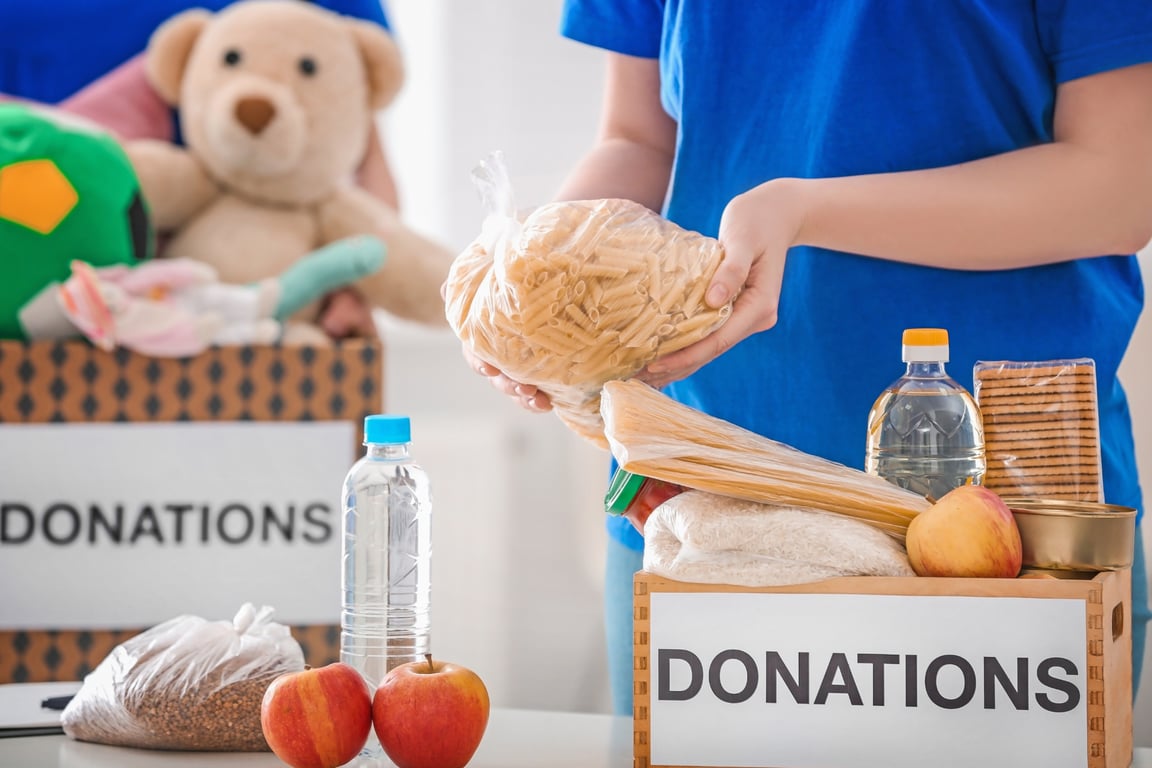
Food donations are accepted by local food banks, community kitchens, schools, and child welfare agencies. Families facing food insecurity can benefit from non-perishable food items like rice, pasta, canned foods, and nutrition supplements. It’s always a good idea to call local organizations before donating to find out what they’re most in need of.
Start a Global Nutrition Program
Financial donations are flexible, and that is why many donors opt to donate to established nutrition funds. Food can be sourced locally, can be used during emergencies, and can be directed to areas of greatest need. In many instances, financial donations can be more significant than food donations, as they can lead to better negotiating power for lower prices and more efficient distribution systems.

Start a Fundraising Campaign on WhyDonate
The best way to help fight child hunger is to start your own fundraiser. WhyDonate is a transparent and easy-to-use crowdfunding platform that enables people, schools, companies, and community organizations to raise funds for nutrition programs. Benefits include:
- 0% platform fees
- Easy campaign setup
- International donation support
- Secure payment processing
- Social sharing tools
Crowdfunding can unite communities for a shared mission, whether that’s to help support a local school meal program or a global nutrition initiative.
Tips for a Successful Child Nutrition Fundraiser
- Set a clear fundraising goal and explain how funds will be used.
- Share real stories and examples that highlight the importance of child nutrition.
- Post regular updates to keep supporters engaged.
- Use photos, videos, and impact statistics to demonstrate progress.
- Encourage friends, family, and colleagues to share the campaign.
Small contributions from many people can quickly grow into meaningful support for children facing hunger.
Conclusion: Every Contribution Feeds a Future
Child hunger is a problem that impacts health, education, and future opportunities and a problem that communities can help solve together. Donating to a child nutrition fund can help feed and care for children in need and offer them long-term opportunities.
Donate to an existing child hunger relief group or create your own fundraiser today on WhyDonate. Each donation makes a difference in the health of a child in need.
FAQs on Child Nutrition Fund
1. What is the UNICEF Child Nutrition Fund?
The UNICEF Child Nutrition Fund is a global financing facility for the prevention, detection, and treatment of child malnutrition. It supports the development of sustainable nutrition programs and life-saving interventions for children in need around the world.
2. What are the best ways to donate food to kids?
You can donate food for children to your local food bank, school, or community group. Even better is to donate money to accredited nutrition programs, as they can buy what they need and distribute resources efficiently.
3. Why is funding for nutrition programs important?
Nutrition funding is important because childhood malnutrition can affect physical growth, brain development, immune health, and educational outcomes. Early intervention can help children build a better foundation for their future health and success.
4. What is the impact of a child hunger relief fund on children?
A child hunger relief fund offers financial support to food assistance programs, therapeutic nutrition programs, school feeding programs, health care services, and community-based solutions to hunger and food insecurity.

Content Writer Intern Samriddhi is a content writer working in the crowdfunding space, focused on turning complex financial and fundraising topics into clear, relatable stories. She writes with empathy, accuracy, and intent so readers don’t just understand the message, they feel confident taking action when it matters most.