listOn this page
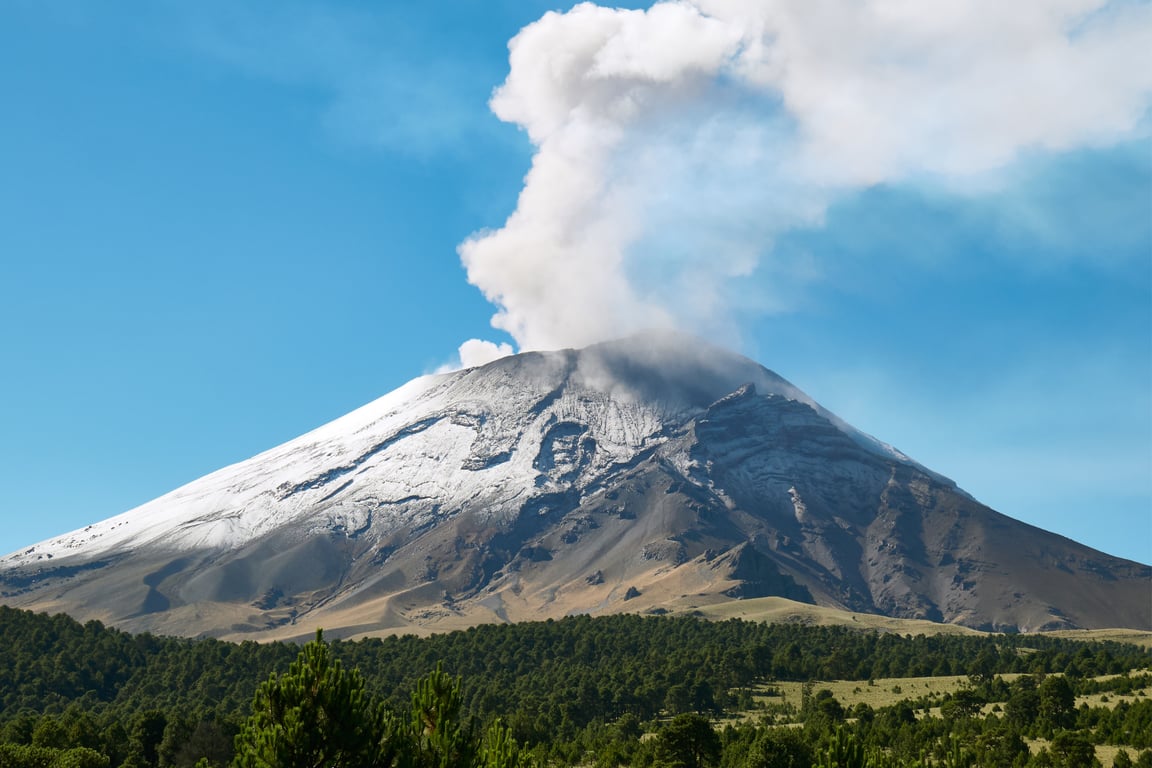
When a volcano erupts, the damage goes far beyond the dramatic images seen in news reports. Whole communities have to be evacuated within hours, houses are covered with ash, and local economies tend to crash as farms and businesses are ruined. The volcanic disasters pose long-term problems that are not similar to most other natural disasters.
Although volcanic eruptions usually have lasting impacts on the community, these are not like floods or earthquakes, where the disaster stops after some months or years. In the context of volcano relief, ashfall may infect water sources, damage crops, and pose severe respiratory health risks. Families may need a significant amount of time to rebuild their lives on the land and infrastructural systems that the war destroyed
This complexity brings a critical question: how are people worldwide able to offer any real help in such crisis situations? It is not just enough that one can understand how to assist volcano victims by merely sending funds within the initial days. A combination of short-term aid, long-term recovery, and well-planned fundraising activities is usually effective assistance.
Become a Strategic Giver. Start Volcano Relief Fundraiser Today.
The 3 Critical Phases of Volcano Recovery
The post-volcanic eruption recovery occurs in phases, similar to most disaster relief efforts. Different resources and support are needed in each of the phases; that is why the organized volcano relief fund may also pay attention to immediate response and rebuilding.
Phase 1: Crisis Response (0–2 Weeks)
The initial stage focuses on life-saving interventions. Rescuers take people out of the area of danger, and medics treat injuries and breathing issues that occur due to inhaling the ash.
The essential supplies, like evacuation transport, temporary shelter, protection masks, and emergency medical care, are supported by donations during this time. The search and rescue teams also use funds to remain in the areas where people may be trapped or displaced in the event of the eruption.
Phase 2: Maintenance (2 Weeks- 6 Months)
When the acute crisis is over, communities also enter a difficult post-crisis stage. Many families are unable to come back to their homes, as the volcanic ash still presents health hazards or the infrastructure is still in ruins.
When this stage is underway, the assistance that is provided is usually clean drinking water, temporary shelter, food supplies, and mental assistance to families that have lost their homes or livelihoods. This is the point where ongoing campaigns for volcano disaster relief become vital so that help will be received even after the worldwide media have focused their attention elsewhere.
Phase 3: Long-term Resiliency (6 months and Beyond)
Long-term recovery involves community reconstruction. The farmers might require help in the restoration of soil that has ash deposits. Learning institutions, roads, and social amenities have to be mended or rebuilt.
Activities at this phase usually focus on recovery of local economies and capacity building in the face of future eruptions. A permanent volcano aid program is important in facilitating the reconstruction process, enabling the impacted countries to come out of survival mode and enter the recovery stage.
The Strategic Donor’s Checklist: 5 Questions to Ask Before Giving
Right after a disaster, individuals desire to contribute as fast as possible. Nevertheless, when making considerate choices on where to donate, one is guaranteed that donations will assist needy communities.
These are five questions that donors must ask themselves before they donate to volcano relief organizations.
1. Does the Organization Already have a Presence in the Region?
Organizations that are already in the impacted regions are normally more suited to act promptly. They are aware of the local situations, infrastructural issues, and the needs of the community, which assists in responding to victims more quickly.
2. Is the Aid Adaptable?
Disasters from volcanoes develop. The successful organizations can redirect resources of emergency relief to long-term rebuilding when the circumstances change.
3. How do they Ensure Transparency?
In disaster response, there has to be transparency. Credible institutions will provide information on the use of funds, projects they serve, and ways communities are benefiting as a result of donations.
4. Do they liaise with Local Entities?
The cooperation of the international aid organizations with the local leaders helps to avoid duplication of efforts and ensures that the resources are directed to the localities that need them the most.
5. Are they dealing with the needs of long-term recovery?
In addition to emergency supplies, communities might need mental health services, agricultural recovery services, and economic rebuilding support. When organizations take such needs into consideration, they tend to offer more sustainable help.
When donors consider charity through this checklist, they enhance the probability that their donations will make a difference in the volcano relief activities.
Organizations that consider these needs often provide more sustainable assistance. When donors evaluate charities using this checklist, they increase the chances that their support contributes meaningfully to volcano relief efforts.
For example, organizations such as the Volcano Disaster Assistance Program provide guidance and emergency support during eruptions.
How to Start a Volcano Relief Fundraiser
Although the traditional charities are a very crucial source of assistance, the community-based fundraising campaigns can also be instrumental in a disaster response. The personal campaigns usually target certain needs that are not of priority to a large organization.
To provide an example, a fundraiser can be dedicated to cleaning ash kits for households, assisting displaced students with school supplies, or assisting farmers with reconstructing damaged crops. A volcano relief fundraiser should be carefully planned to establish trust and transparency.
Establish a Specific and Focused Objective
Starting with a clear problem often leads to better results when gathering support. When efforts focus on something like delivering emergency masks to affected people rather than vague appeals, a stronger response tends to follow. Rebuilding one school, for instance, draws clearer interest compared to broad requests labeled simply “disaster aid”. General campaigns might collect donations yet leave actual needs unmet in real neighborhoods.
Work with Local Contacts
Starting off right, working alongside a known community figure helps verify what people actually require. This ensures that supplies reach the most vulnerable areas. Trust grows when help arrives through familiar faces. Decisions become clearer with guidance from someone rooted in the area.
Share Transparent Updates
Effective campaigns keep donors in contact. Trust grows when numbers turn into stories. Sometimes, simply knowing that a village now has clean water can make a significant difference. Little by little, that honesty invites more help. What happens next? People stay involved. They remember being part of change.
Reach Out through Digital Platforms
Platforms like WhyDonate enable people to initiate their own fundraisers, update their followers, and raise money without violating the security of their data. They enable the global supporters to contribute fast and enable the organizers to monitor the progress.
Through transparency and a clear objective, individuals and communities will be able to develop significant fundraising programmes that save the lives of people affected by volcanic disasters.
By combining transparency with clear goals, individuals and communities can create meaningful fundraising initiatives that directly support people affected by volcanic disasters.
Initiate your targeted volcano fundraiser on the WhyDonate platform.
Beyond Money: Leveraging Your Network for Awareness and Support
Financial donations are essential, but there are also other meaningful ways people can contribute to support volcano relief efforts.
A good strategy would be to create awareness by disseminating confirmed information on the disaster and the continued recovery processes. Real information will assist the donors in knowing the extent of the crisis and in channeling assistance to the viable relief efforts.
Organizations can also be linked to resources through the community leaders and expatriate groups. In one case, a local doctor can have medical supplies as an urgent need; in another, a community shelter might need more food and hygiene products.
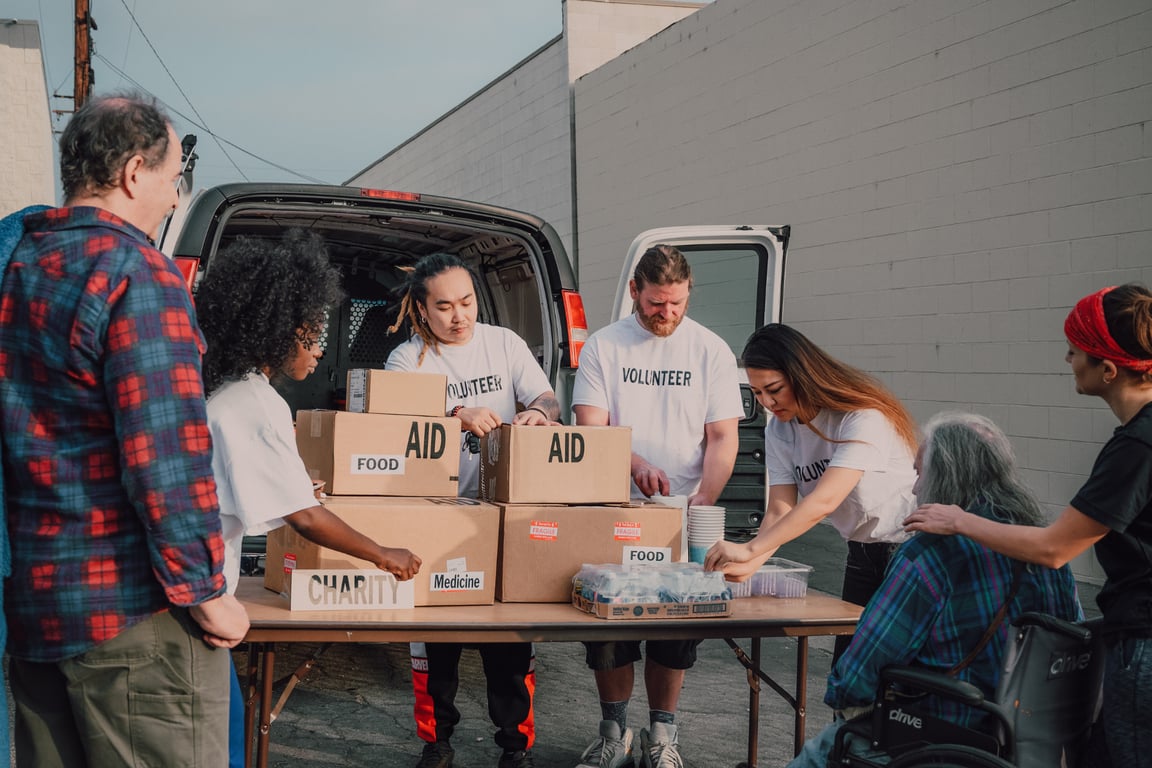
The other method of assistance may be to hold local donation events, gather the necessary supplies, join forces with charitable groups, or enhance the relief efforts with social media and community networks.Such simple things as sharing a verified fundraising campaign can greatly increase the scope of relief activities.
In the case of disaster coordination at the regional level, institutions such as CARICOM tend to help the Caribbean communities when there is a volcanic eruption.
Conclusion: Choosing Your Role in Volcano Relief
Volcanic eruptions create complex disasters that affect communities long after the initial eruption ends. Families may experience displacement, health risks, and financial hardship for months or even years.
Individuals who wish to assist may do so in a constructive and effective manner because they will make a difference. Trusted volcano relief organizations are able to be assisted by their donors to carry out an emergency aid and long-term rebuilding program.
Others can be more proactive and establish their own fundraising programs to meet certain local demands. Contributions, emergency fundraising, and raising awareness are all crucial steps in aiding the affected communities in their recovery and rebuilding.
Take the next step by launching your own transparent volcano relief fundraiser and helping communities rebuild after a disaster.
FAQs About Volcano Relief
1. How can I help volcano victims effectively?
The best way to assist the victims of the volcano is to promote approved relief agencies or specific fundraising efforts. Donations assist in supplying emergency needs, including masks, clean water, food, and shelter. The contribution in the long term is also used in the reconstruction of homes and farmlands, and to assist communities in recovering their economies.
2. What is a volcano relief fund?
The purpose of a volcano relief fund is to provide special assistance to communities impacted by volcanic eruptions. These funds are usually used as emergency relief in the initial disaster and later as recovery programs like house rebuilding, medical services, and restoration of livelihoods.
3. What are the organization names of the volcano relief organizations that are reputable?
Reputable volcano relief organizations include the World Food Programme and the Red Cross. These organizations provide emergency food, medical aid, and long-term recovery support in disaster-affected regions. They are widely trusted for their global presence, transparency, and coordinated disaster response efforts.
4. Would it be possible to initiate a volcano relief fundraiser?
Yes, people and local organizations can conduct volcano relief fund drives to help the communities affected. Through the online fundraising platforms, the organizers are able to receive donations and update and create awareness around the world. Such campaigns are commonly aimed at meeting certain needs like emergency supplies, housing repairs, or assistance to families displaced by disaster.

Samriddhi is a content writer working in the crowdfunding space, focused on turning complex financial and fundraising topics into clear, relatable stories. She writes with empathy, accuracy, and intent so readers don’t just understand the message, they feel confident taking action when it matters most.