listOn this page
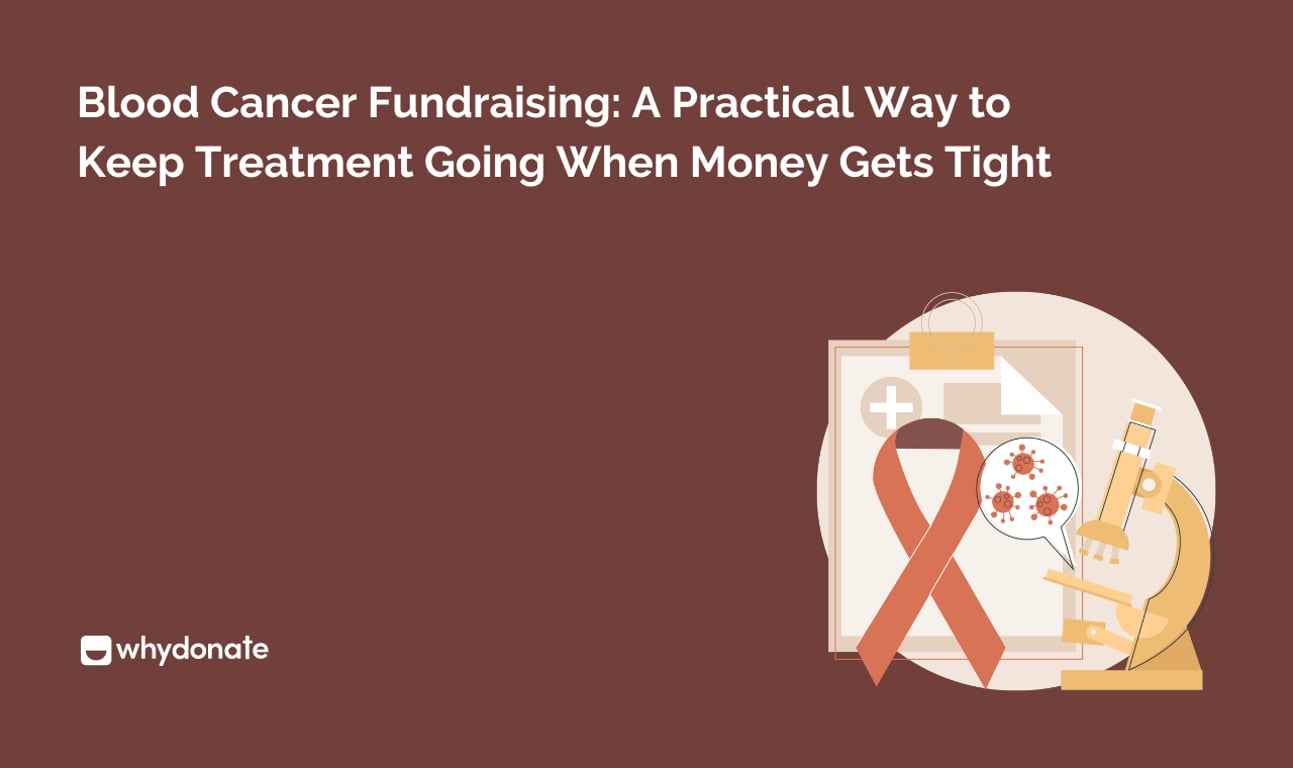
For families facing blood cancer, the emotional fight is hard enough, but the financial burden can feel overwhelming. Apart from that, it is a life-threatening medical condition requiring ongoing, time-sensitive treatment. That’s why blood cancer fundraising has become a lifeline.
Even if insurance exists, it often doesn’t cover everything. Fundraising acts as an easy yet effective way to gather funds. It gives families breathing room, and it gives supporters a clear way to help instead of just saying, “Let me know if you need anything.”
Blood cancer includes illnesses such as leukemia, lymphoma, and multiple myeloma. These conditions usually require ongoing care, and the costs can build quickly. A fundraiser can cover treatment bills, travel, and recovery needs, and most importantly, it helps people focus on healing instead of panicking about money.
WhyDonate makes it easier to do that because the platform is designed for medical crowdfunding that’s simple, transparent, and secure.
Understanding Blood Cancer
What It Is
Blood cancer affects the body’s blood-forming system. Instead of producing healthy blood cells that protect you and keep your body functioning normally, the system starts making abnormal cells that grow too quickly.
Over time, these harmful cells crowd out the healthy ones, which can lead to fatigue, weakness, infections, and complications that make daily life harder. Diagnosis and monitoring require blood tests, bone marrow biopsies, and specialist oncologist care, explaining the ongoing, complex (and costly) treatment needs.
Types & Prevalence
The main types are leukemia, lymphoma, and multiple myeloma. Leukemia begins in the blood and bone marrow. Lymphoma affects the lymphatic system, which is a big part of immunity. Myeloma targets plasma cells.
Each one behaves differently, and treatment plans can vary a lot depending on the stage, the patient’s health, and how the cancer responds. Also, some Leukemias require immediate treatment, whereas others are monitored.
Challenges for Patients
Blood cancer treatment can be intense and long because long treatment timelines multiply costs over months or years, which is why one-time savings or insurance rarely cover everything. Patients may need several chemotherapy cycles, hospital admissions, regular testing, and medication adjustments.
Alongside the physical side effects, many people deal with stress, burnout, and emotional exhaustion. Families and caregivers often feel it too, especially when daily life has to keep moving while treatment takes over everything.

The Importance of Fundraising
It’s easy to assume treatment is covered once someone reaches a hospital. But the reality is much messier. Costs don’t come in one neat bill. They show up repeatedly, in different forms, at the worst times.
With blood cancer, the expenses may include chemotherapy, targeted drugs, immunotherapy, transfusions, or even bone marrow transplants. Insurance may help, but it can also have limits, waiting periods, partial coverage, or exclusions.
That’s where fundraising for blood cancer treatment becomes a lifeline. Transparency forms the backbone of a good fundraiser; sharing cost breakdowns and updates reassures donors and aligns with best practices for medical fundraising.
A strong blood cancer fundraiser can support more than just hospital bills. Donations often help cover things like:
- Medicines and lab tests that aren’t fully covered
- Travel costs to reach specialty hospitals
- Accommodation near the hospital for long stays
- Nutritional needs and recovery support
- Home care or follow-up appointments
- Lost income while a patient or caregiver misses work
If someone is trying to raise money for blood cancer patient support, it’s rarely because they didn’t plan ahead. It’s because blood cancer treatment is expensive, unpredictable, and emotionally draining. Fundraising doesn’t fix everything, but it can take away a huge part of the stress.
Blood cancer fundraising can give the support you need. Start your blood cancer fundraiser for free at WhyDonate.
The Cost of Blood Cancer Treatment
The cost of blood cancer treatment depends on many factors, including the type of cancer, treatment duration, hospital location, and medication requirements. Many families also underestimate hidden costs like repeated travel, staying close to a treatment center, and income loss during recovery.
The American Cancer Society explains that costs often extend beyond medical bills and may include transportation, lodging, and other daily expenses during treatment.
Here’s a general idea of what treatment costs can look like:
Treatment Type | Estimated Cost (USD) |
Chemotherapy (per year) | $10,000 – $50,000+ |
Targeted Therapy (per month) | $5,000 – $20,000 |
Bone Marrow Transplant | $150,000 – $300,000+ |
Immunotherapy | $100,000 – $150,000+ |
Supportive Care | $5,000 – $15,000/year |
(Costs vary by country, hospital, and insurance status)
These numbers can feel unreal until you’re the one living through it. This is exactly why families ask their communities to help fund blood cancer care through donations and sharing.

Why Use WhyDonate for Blood Cancer Fundraising?
Starting a fundraiser can feel awkward at first. People worry about what to say, how much to ask, or whether anyone will actually contribute. That hesitation is normal. But when treatment is urgent, support has to move quickly.
WhyDonate helps make blood cancer fundraising simpler by offering:
- Easy campaign setup (no complicated steps)
- Medical urgency
- Secure and fast online donations and transactions
- Transparent tracking, so supporters know where funds are going
- Global reach, so friends and relatives abroad can donate too
- Mobile-friendly sharing so it spreads faster
Whether it’s a small goal to cover immediate medication costs or a bigger target for long-term Care, WhyDonate makes it possible to launch the fundraiser and start receiving help without delays. If treatment costs are becoming overwhelming, start your blood cancer fundraiser without a doubt!
How to Start a Fundraising Campaign on WhyDonate
You don’t need to write a dramatic story; you just need perfect photos, clarity, and honesty.
Here’s a simple way to start:
- Create your WhyDonate account: Sign up and choose medical fundraising.
- Explain the situation clearly: Mention the diagnosis, current treatment stage, and what the funds are needed for.
- Set a clear goal: If possible, base it on hospital estimates or expected costs.
- Add photos or a short video: This helps people connect and trust the campaign.
- Include a simple cost breakdown: Even a basic list makes donors feel confident.
- Post updates regularly: Updates build donor loyalty and trust, and keep supporters involved.
A strong fundraiser is not the one with the fanciest words. It’s the one that feels real. Thank your donors, share progress, and don’t be afraid to ask people to share again.
Promoting Your Fundraising Campaign (Without Feeling Pushy)
Promoting a fundraiser through social media fundraising ideas can feel uncomfortable, but it’s not begging. It’s giving people a chance to help.
Some of the best ways to spread your campaign include:
- Posting on Instagram and Facebook
- Sharing a simple update on LinkedIn (especially for workplace support)
- Sending the link in WhatsApp groups
- Asking close friends to repost, not just donate
- Reaching out through email marketing for more personal requests
You can also partner with nonprofit blood cancer support networks. Many organizations offer help beyond money, including patient guidance and support resources. Offline efforts can help too, like a small donation drive, charity walk, school fundraiser, or community event. When combined with an online fundraiser, these can build momentum quickly.

Showing Appreciation to Donors
People donate because they care, but being thanked still matters.
Small gestures go a long way:
- Personal thank-you messages
- Public gratitude posts (with permission)
- Updates like “treatment started” or “medication covered this week.”
- Sharing milestones (25%, 50%, 75% funded)
It keeps donors connected to the impact they’re making, and it motivates others to join.
Additional Resources & Support
If you need guidance, emotional support, or patient resources, these organizations may help:
- Medical Fundraising | Raise Money For Healthcare Costs
- Leukemia & Lymphoma Society
- CancerCare
- Blood Cancer UK
CancerCare also provides certain types of financial support, such as transportation or childcare assistance for eligible patients.
Start your blood cancer fundraising campaign today on WhyDonate and give patients the support they need to keep fighting. Even if someone can’t donate, sharing the fundraiser helps more than people realize.
FAQs (Frequently Asked Questions)
How quickly can I withdraw funds for blood cancer treatment?
Withdrawal speed depends on verification and payout methods, but WhyDonate is built for medical fundraising, where timing matters.
Are blood cancer donations tax-deductible?
It depends on the donor’s country and local regulations. It’s best to check regional tax rules or the platform’s donation terms.
Can I fundraise internationally for blood cancer?
Yes. WhyDonate supports global donations, which help families receive support from people living abroad.
How to ensure donor trust for blood cancer fundraising?
Add real details, upload updates, explain costs clearly, and keep your campaign active. Transparency is the biggest trust-builder.
Can fundraising cover non-medical costs like travel or housing?
Yes, platforms such as WhyDonate fund travel and housing for cancer patients, as donors often support these needs. Disclose uses transparently to build trust.
How quickly should I start fundraising after diagnosis?
Start immediately after diagnosis to cover urgent costs, especially for aggressive cancers. Align with your oncologist’s treatment timeline.

Content writer, Mehak, loves to work in a positive environment with a cup of tea. She has gained experience in writing on various niches, but crowdfunding is what excites her the most. The best part she finds about crowdfunding is that it helps a lot of people in need. Her hobbies are reading, writing, and sketching.