listOn this page
Today’s world is heavily influenced by visuals, including posters, images, and videos. People connect more with graphics because they provide a sense of reality. Similarly, strong and clear fundraising graphics can drive more efficient and successful fundraisers.
What are Fundraising Graphics?
A fundraising graphic is a visual representation of the organization’s fundraising campaign. It can be used to convey the message of the campaign and its goals. Fundraising graphics can be used on social media, websites, and other marketing materials. These graphics can be designed in various formats, such as a banner, poster, or infographic. A well-designed fundraising graphic can help attract potential donors and increase the campaign’s visibility.
Fundraising graphics are an essential tool for any nonprofit organization. They help convey the organization’s message and goals in a visually appealing manner. These fundraising graphics can be of many types, such as fundraising goal graphics, fundraising progress graphics, and fundraising target graphics.
The most common uses of fundraising graphics can be found in
- social media campaigns
- fundraising pages
- donation progress tracking
- nonprofit reports
- email marketing
This article will discuss the top helpful fundraising graphics that can help your organization achieve its fundraising goals.
Why Fundraising Graphics Increase Donations
Fundraising graphics grab attention faster than text and stand out on crowded feeds. Visuals can easily trigger emotions and draw empathy, motivating people to give. For example, adding photos of oppressed children can make a potential giver feel emotional and sympathetic toward donating.
Additionally, exhibiting impact with visuals like progress bars, before/after photos, and donation graphs builds trust. We all know from our school days that visuals can make complex topics simpler. They make campaigns credible and memorable, leading to more donations.
10 Fundraising Graphics that Can Change the Game
A well-designed fundraising goal graphic can help to motivate donors to contribute more and reach the fundraising goal. So here are the top fundraising graphics that can make your campaign stand out from the crowd.
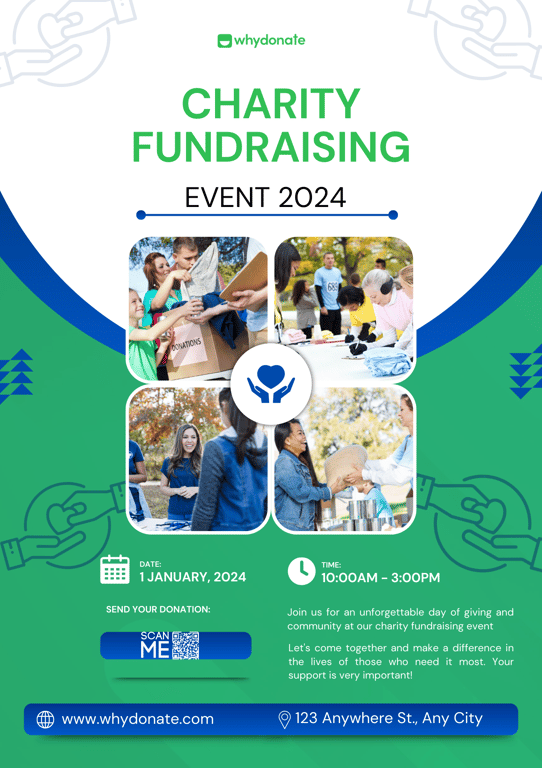
1. Fundraising Flyer Design
Fundraising flyers work best when they are placed where supporters already spend time, or in crowded places in general. They both can be physical or virtual. Virtually, social media is one of the most popular ways to add flyers. Use square or vertical graphics for platforms like Instagram and Facebook. Keep your text short and readable for mobile users. Use high contrast colors to get attention, and never forget to place the CTA button at the bottom to make it easier to take quick action.
Read more about Fundraising Flyers here.
2. Fundraising Story Graphics
Did you know that 90% of the information processed by the brain is visual? So don’t just write your campaign story, but add visuals of your fundraiser. Show the problems you are going through and the people affected. Share before and after images of your campaign. This shows the reality of your story, including the progress, and compels people to give to your cause more likely.
3. Fundraising Thermometer
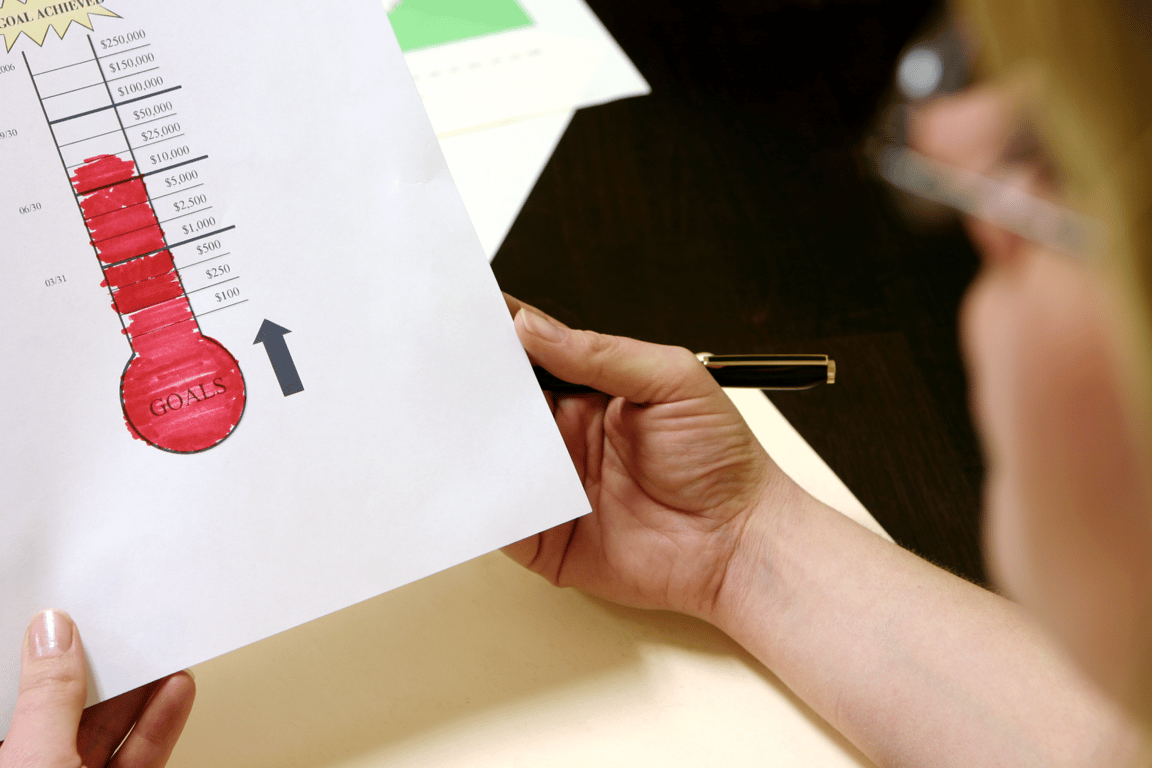
Measuring the success of your fundraiser with a digital thermometer can help you understand where you need improvement. An animated fundraising thermometer can also be used by an organization to track its progress and plan future events. A free fundraising thermometer can help an organization monitor its donation graph and identify areas for improvement. It can also help its leaders identify areas of potential improvement.
Read more about Fundraising Thermometers right here.
4. Fundraising Bar Chart
A fundraising bar chart represents the entire progress of a campaign. Each bar represents a specific category (volunteer care, logistics of food, and providing emergency medical care). The horizontal axis typically represents the categories, while the vertical axis represents the amount of funds raised. The length of each bar corresponds to the amount of money raised for the respective category, allowing people to compare and understand how the donations are going to be used.
5. Fundraising Pie Chart
A fundraising pie chart is a circular graph that segments funds, with each slice representing a specific category or segment of the fundraising campaign. You can show the size of each slice proportional to the percentage of funds allocated to that category. This type of chart is particularly useful for illustrating the composition of a fundraising campaign by source or purpose.
Fundraising pie charts are effective for a complete breakdown of the overall financial picture. For instance, if a campaign has set a fundraising goal and wants to show how funds are allocated across project components and operational expenses, a pie chart can clearly depict the percentage of funds allocated to each area.
6. Nonprofit Impact Report
Nonprofit impact reports are thorough documents that present key performance indicators, including audience reach, the organization’s influence on lives, the funds they raised, and the details of their projects. These reports are more than just statistical data, featuring individuals or groups deeply affected by the organization’s initiatives.
Know more about NonProfit Impact Reports here.
7. Impact Story Graphics
Visual storytelling is extremely important for successful fundraising because they capture attention, emotions through emojis, and builds immediate trust. Visual tools like success story images create a quick impact and engage people to see how the campaign ends. Nonprofits should share these images across social media platforms, fundraising pages, and even emails to increase donations.
8. Thank You Card Graphics
Thank-you cards for donors are not only thoughtful but also strategic, leaving traditional expressions of gratitude. Visuals can tell an emotion more deeply and leave a better impact on a donor’s mind. A well-designed thank you card can show how invested you are in your cause as well as the supporters. A simple, personalized touch can create a long-lasting emotional connection, building your donor database stronger..

9. Social Media Fundraising Graphics
Social media fundraising graphics are visual assets (images, infographics, videos, banners, GIFs) designed specifically for platforms like Facebook, Instagram, LinkedIn, and TikTok to promote fundraising campaigns. These graphics explain the cause quickly, highlight impact and urgency, and boost trust and reach by giving a ready-to-take-action visual.
Choose your audience accordingly: Instagram graphics target all young generations, Facebook fundraising visuals target middle-aged people, and LinkedIn nonprofit fundraising graphics target strictly professionals. It is important to be consistent with branding, using high-quality images with bold fonts, and clear links or QR codes to convert viewers to donors.
10. Animated Fundraising Graphics
Animated fundraising graphics are motion-based visuals like GIFs, animated infographics, fundraising thermometers, short explainer videos, and CTA buttons. They are also used in fundraising campaigns to grab attention and increase donations. Animated graphics show progress towards the goal and explain impact and data in an engaging way. Nonprofits should use them on their websites, email campaigns, and social media to get better fundraising results.
Best Tools to Create Fundraising Graphics
Here are some powerful tools to create fundraising graphics, especially for nonprofits to boost donations for their projects:
- Canva: Free for nonprofits, ready-made flyer templates, social posts, posters, presentations, and campaign graphics.
- Piktochart: Best for infographics and turning data/impact reports into images.
- Adobe Express: Best for beginners and fast social media or flyer designs. Offers many templates, AI (Firefly).
- Visme: Best for data-heavy visuals like infographics, donor reports, and impact summaries. Powerful charting and data visualization tools.
- Figma: Best for advanced, custom, and collaborative design. Ideal for teams (corporate) creating full campaign identities, websites, and high-fidelity graphics.
Fundraising Graphics Design Tips
Now that you have understood the types of graphics and how to use them, let’s help you get some helpful tips that will add value to your graphics:
- Use Emotional Images: The whole purpose of creating these fundraising graphics is to draw people’s attention and persuade them to help people. And the best way to do that is to emotionally connect with your audience.
- Highlight Donation Goals: Showcasing a donation goal shows how clear you are about your needs. Potential donors also understand its achievability and donate to you to help you achieve your goal.
- Use Brand Colors: Your brand colors can separate you from a crowd of nonprofits. People subconsciously connect with colors, and as they see your campaign, they can immediately comprehend that this cause is related to your brand.
- Add a Clear Call-To-Action: CTAs are the best way for conversion. Why? Because a clear call to action makes it easier for people to donate when they are ready, they do not have to follow a path to do charity. It’s easy and straightforward.
- Optimize for Mobile: Not everyone opens their laptop on a daily basis. However, people use their phones every hour. Giving people the seamless option of making a donation through smartphones can increase your chances of getting more donations due to the convenience.
Where to Use Fundraising Graphics
There are certain spaces where you can add your fundraising graphics to maximize their visibility:
- Fundraising Pages: Your fundraising campaign page is the face of your cause. It will reach thousands of people for donations. So use your graphics the right way to help people understand the importance and urgency of your cause.
- Email Campaigns: You can send bulk emails to your database of supporters, as they already know who you are and the impact you have created earlier. Use the animated fundraising graphics to retain and further grow your donor database.
- Social Media: The only place where you can be widely visible and your cause can be popular in a span of small time is social media. Everyone is on social media these days. So, make sure to utilize the social spaces for your cause using engaging graphics.
- Charity Events: The whole purpose of charity events is for people to gather and donate to causes. Presenting your fundraising graphics at events like this can be of great help.
Add Your Fundraising Graphics to Your WhyDonate Fundraising Page
Create a fundraiser with WhyDonate in minutes and add visuals to your campaign page to see the effects. WhyDonate’s fundraising website is one of the most trustworthy global platforms, enabling everyone to create campaigns to address immediate financial needs. The platform charges no registration fees and fewer transaction fees than any of its contemporaries. WhyDonate is trusted by hundreds of thousands of fundraisers, charities, schools, churches, and individuals worldwide, who have raised funds for their causes on the platform.
Conclusion
In conclusion, fundraising graphics are an essential tool for any nonprofit. They help communicate the organization’s message and goals in a visually appealing manner. A well-designed fundraising graphic can help to attract potential donors and increase the visibility of the campaign. By using these graphics, you can motivate donors to contribute more and reach the fundraising goal.
Ready to boost your fundraising impact? Start creating compelling visuals today & start fundraising with WhyDonate – engage donors and grow your campaign!
FAQs
1. What types of fundraising graphics are most effective?
All fundraising graphics are effective; however, you must identify your target audience and use the right graphics at the right place to get maximum benefits.
2. What tools can be used to design fundraising graphics?
There are many popular tools like Canva, Adobe Express, and Figma where you can design your graphics.
3. What is a fundraising thermometer graphic?
A fundraising thermometer mimics the design of a regular thermometer but shows the progress of a fundraiser’s donations. Being the lowest and the fundraising goal the highest, the coloured mercury-like bar rises as you get more funds.
4. What is the difference between a donation graph and a fundraising chart?
While a donation graph can show the progress of donations like a progress bar, a fundraising chart is like a pyramid explaining the planning and strategies behind the project.
5. How often should you update donation progress graphics?
Your donation progress graphics should always be up to date, showing clarity and motivating donors to give more, so you can meet your funding goal.

Sudatta is a senior content manager with more than 10 years of experience in the content space and an expert in crowdfunding and fundraising-related topics. She enjoys creating engaging and reader-friendly content. In addition to writing, Sudatta is also passionate about music, travelling, and reading.