listOn this page
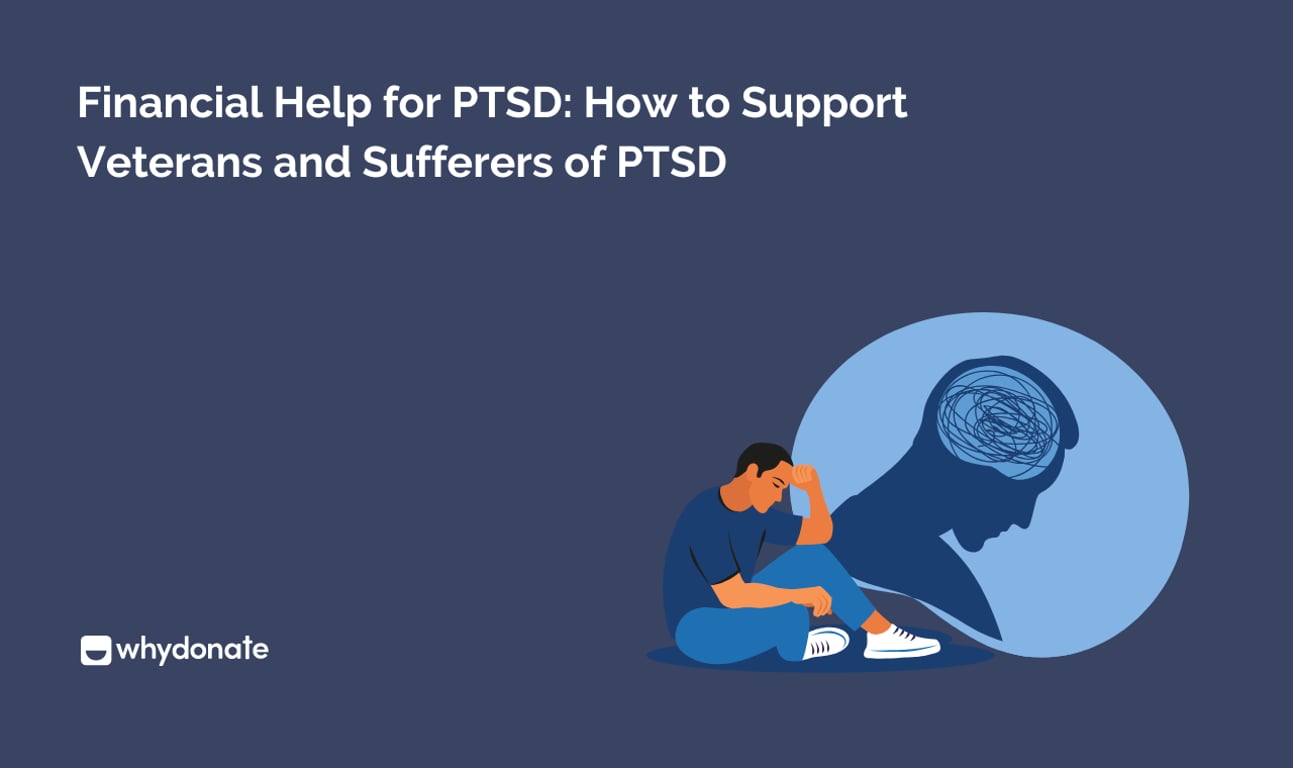
Around 13 million Americans lived with PTSD back in 2020. Here's what's striking, though: only 43 percent of people with PTSD actually got mental health services in a cross-national study, according to the U.S. Department of Veterans Affairs. That gap says a lot.
Seeing that someone has PTSD is one thing. Knowing what to do about it—and what to avoid—is entirely different. Most people want to help but end up stuck. They worry about saying the wrong thing, pushing too hard, or just not doing enough.
This piece walks through practical strategies for emotional support, dealing with sleep problems and nightmares, handling depression and anxiety that come along with PTSD, and finding financial help when treatment costs become a barrier.
TL;DR: Helping someone with PTSD means listening without judgment, making the home safer for sleep, knowing how to help someone with PTSD nightmares, spotting when depression or anxiety needs separate treatment, and—when money's tight—knowing where to find financial help. Crowdfunding is one option when insurance doesn't cover everything.
What Does Helping Someone with PTSD Actually Look Like?
Think of it as three types of support. Emotional (listening and being steady), practical (helping with routine and triggers), and financial (getting them to treatment). PTSD affects everyone differently. What works for one person might completely miss the mark for another.
Here's why “just be positive” doesn't work. It dismisses the neurological reality of trauma. Your role isn't to fix the trauma. It's to reduce barriers to recovery. Meaning creating safe spaces, showing up consistently, and helping to remove practical barriers like cost or getting to appointments.
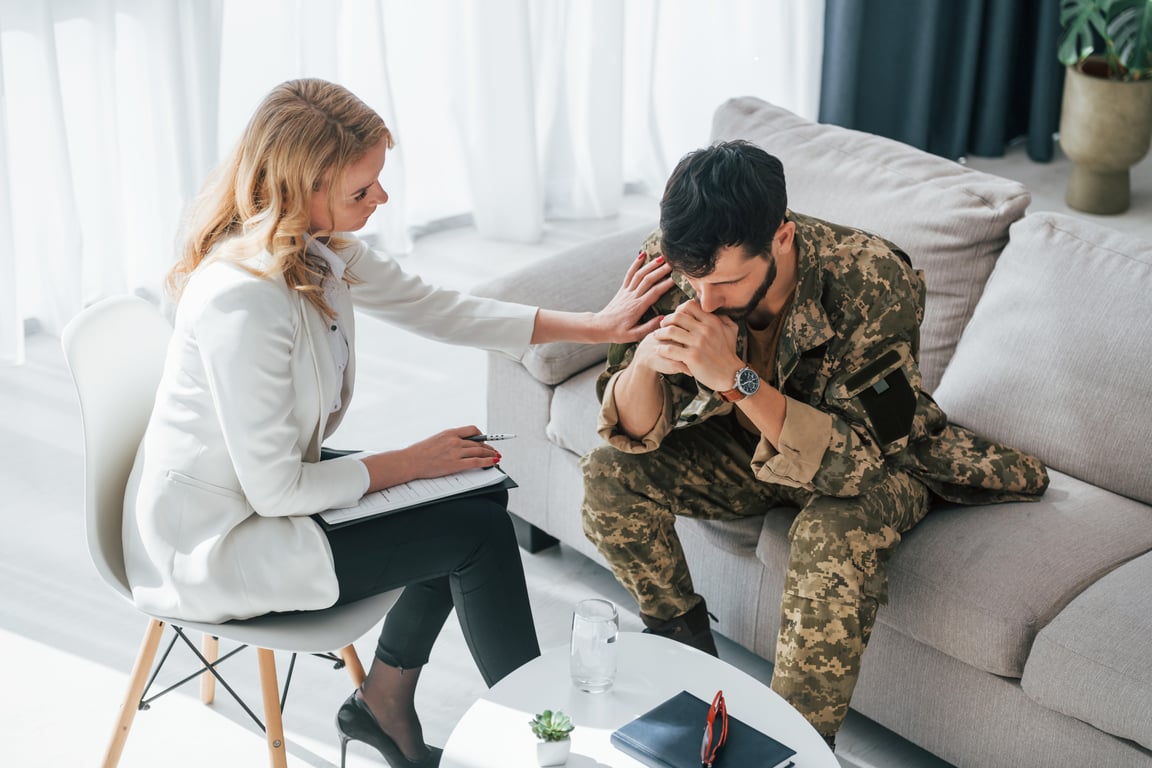
How Do You Help Someone with PTSD Emotionally?
The most effective thing you can offer someone with PTSD is simple: a consistent, non-pressuring presence. Show up without an agenda.
When it comes to what to say, keep it straightforward. “I'm here for you” works. “It’s okay to feel this way” validates their experience. “You’re not alone in this” is helpful. “Take your time” takes the pressure off.
What not to do? “Just move on” invalidates their pain. Others have it worse. It lessens their struggle. “You should be over this by now,” adds shame. And don't pressure them to talk before they're ready.
During a flashback or panic episode, stay calm. Speak softly, use a steady voice, and remind them they're safe now. Don't touch them without asking—this can actually worsen the reaction. Ask what they need instead of guessing.
Triggers matter. It could be certain sounds, places, or dates. Help them see patterns without forcing exposure. If avoidance begins to interfere with their daily life, gently encourage them to seek professional help. Frame it as support, not criticism. Try something like, “I’ve noticed this has been really hard.” Would it help to talk to someone who knows more about this?
Important: Never try to diagnose or treat PTSD yourself. That's not your role. Support, don't replace professional care.
How to Help Someone with PTSD Sleep Better
Sleep problems rank among the most common PTSD symptoms. Creating a safer sleep environment can make a real difference. Here's a practical approach:
- Start with a consistent pre-bed routine. Same time each night. Keep activities low-stimulation—reading or gentle stretching works well.
- Cut down ambient noise and harsh lighting. White noise machines help. Blackout curtains or dim lamps beat overhead lights.
- Avoid news or triggering media within two hours of sleep. This reduces mental activation before bed.
- Keep the bedroom for rest only; no screens, work, or stressful conversations in that space.
- If the person needs to feel secure before sleeping, discuss a “safety check” routine. This might mean checking locks together or having a comforting object nearby.
- Ask what makes the sleep environment feel safer. Don't assume. Every person's needs differ. Some prefer nightlights. Others want complete darkness.
When sleep problems persist despite these changes, it may be time to discuss CBT-I (Cognitive Behavioral Therapy for Insomnia) or medication with a doctor. Chronic sleep disruption makes PTSD symptoms worse and slows recovery.

How to Help Someone with PTSD and Depression (or Anxiety)
PTSD rarely exists alone. Depression and anxiety frequently tag along, creating a more complex picture that needs integrated treatment.
The first step in helping someone with PTSD and depression is to know the symptoms:
- Watch for prolonged hopelessness over weeks.
- See them withdraw from relationships that were once important to them.
- Look for physical symptoms such as fatigue, changes in appetite, or sleep.
- Another red flag is loss of interest in activities they once enjoyed.
Anxiety adds another layer:
- Hypervigilance beyond typical PTSD startle responses.
- Avoidance that expands beyond trauma triggers.
- Panic attacks unrelated to specific memories.
- Constant worst-case thinking about everyday situations.
Treating all three conditions simultaneously matters. Addressing PTSD alone while ignoring co-occurring depression often leads to incomplete recovery. The conditions feed into each other.
Here's what you can actually do:
- Encourage a GP referral for a full mental health assessment.
- Help with appointment logistics like transport or childcare.
- Offer to attend the appointment if they invite you.
- And acknowledge caregiver fatigue and secondary trauma in yourself.
Depression isn't a “worse” state than PTSD alone. Both need compassionate, professional treatment. If you're supporting someone through this, look into support resources for carers to protect your own mental health.
Related Read: Financial Help for Depression and Anxiety: How to Afford Treatment and Medication
How Much Does PTSD Treatment Actually Cost?
- Average annual treatment costs for a civilian with PTSD run approximately $18,640. For military personnel and veterans, that figure climbs to $25,684, according to a PubMed study.
- Therapy sessions typically cost $100 to $200 per session for private practitioners. Community clinics may offer sliding-scale rates, though.
- Medications range from $30 to $400 per month. The price depends on type, dosage, and insurance coverage. SSRIs and other psychiatric medications vary widely.
- Inpatient intensive care? Residential programs from $1,500 to more than $15,000. Duration and facility type drive the cost.
Insurance often falls short due to prior authorization requirements and session limits for out-of-network providers. Many trauma therapists don’t take insurance, so patients have to pay cash. These costs are why financial help for PTSD isn't a luxury. It determines whether treatment happens at all.
Where to Find Financial Help for PTSD Treatment
Financial assistance for PTSD exists across several channels, such as VA benefits, insurance, national nonprofits, and local grant programs.
Source | Who It Covers | What It Covers | How to Apply |
Crowdfunding | Anyone | Flexible: therapy, medication, travel | |
VA Healthcare | Veterans (must enrol) | Therapy, medication, inpatient care | |
The Assistance Fund (TAF) | U.S. residents with insurance | Co-pays, premiums, coinsurance | |
Beauty After Bruises | Complex trauma/C-PTSD survivors | Ongoing therapy costs | |
Reclaim Foundation | Trauma survivors | Up to 6 therapy sessions | |
Erase PTSD Now | Trauma survivors (Stellate Ganglion Block) | Treatment costs | |
SSDI / SSI | Those meeting disability criteria | Living expense support |
For other medical treatment costs that fall outside mental health, medical crowdfunding follows the same model.
How Crowdfunding Can Help Pay for PTSD Treatment
When insurance, VA benefits, and grants leave a gap—which happens frequently—crowdfunding allows individuals to raise money directly from their network for therapy, medications, and specialist care.
PTSD-related costs crowdfunding typically covers include insurance co-pays and deductibles, out-of-network specialist fees, service animals for emotional support, travel to treatment centers, and medication costs not covered by insurance.
Storytelling matters here. Sharing the purpose of the fundraiser builds community and reduces the stigma of asking. People respond to genuine stories about recovery goals, not just financial need.
WhyDonate charges 0% platform fees. Standard payment processor fees apply. WhyDonate's dedicated mental health fundraising page includes examples of campaigns and step-by-step setup guidance.

Key Takeaways
Helping someone with PTSD means offering consistent emotional support, adapting environments for better sleep, and knowing how to respond during difficult moments like nightmares. PTSD often co-occurs with depression and anxiety. Integrated treatment addressing all conditions leads to better recovery outcomes than treating symptoms in isolation.
Financial barriers should not prevent recovery. Between VA benefits, nonprofits, insurance, and crowdfunding options like WhyDonate, multiple pathways exist to access care. Financial barriers shouldn't stop recovery. If traditional funding falls short, crowdfunding offers a practical way to bridge the gap. Start your online fundraiser today!
FAQs (Frequently Asked Questions)
1. What should I say to someone with PTSD?
Focus on validation and presence. Say things like “I'm here for you” or “You're not alone.” Avoid phrases like “just move on” or “others have it worse.” The U.S. Department of Veterans Affairs says the best way to help is to listen without judging and to be consistently supportive instead of trying to resolve the problem.
2. How do I help someone with PTSD sleep better?
Have a regular bedtime routine. Dim the lights and turn down the noise. Avoid triggering media before bed. Use the bedroom only for sleep. Ask them what makes them feel secure. Studies have shown that changes in sleep environment, coupled with professional treatment, can significantly improve sleep quality in trauma survivors.
3. What should I do when someone has a PTSD nightmare?
Be calm and speak softly. Tell them they’re safe now. Don't touch them without asking first, as this may further startle them. As soon as they are awake and oriented, offer water or a grounding activity. VA recommends waiting until they are fully awake to talk about what happened.
4. Can PTSD cause depression and anxiety at the same time?
Yes. PTSD frequently co-occurs with both depression and anxiety. The National Institute of Mental Health reports that over half of people with PTSD also experience major depression. Integrated treatment addressing all conditions simultaneously leads to better outcomes than treating each separately.
5. What financial help is available for PTSD treatment in the UK and EU?
In the UK, NHS mental health services cover PTSD treatment at no cost. Private therapy ranges from £40 to £120 per session. The Assistance Fund (TAF) helps U.S. residents, but UK residents can explore local charities like Mind or Rethink Mental Illness for grants. EU residents should check national health services and trauma support organizations in their country.
6. When should someone with PTSD see a specialist?
When symptoms persist beyond a month, interfere with daily life, or include self-harm thoughts, professional help is needed. The American Psychological Association recommends seeking a trauma specialist if standard therapy isn't helping, if nightmares disrupt sleep regularly, or if avoidance behaviors limit work, relationships, or basic activities.

Sudatta is a senior content manager with more than 10 years of experience in the content space and an expert in crowdfunding and fundraising-related topics. She enjoys creating engaging and reader-friendly content. In addition to writing, Sudatta is also passionate about music, travelling, and reading.