listOn this page
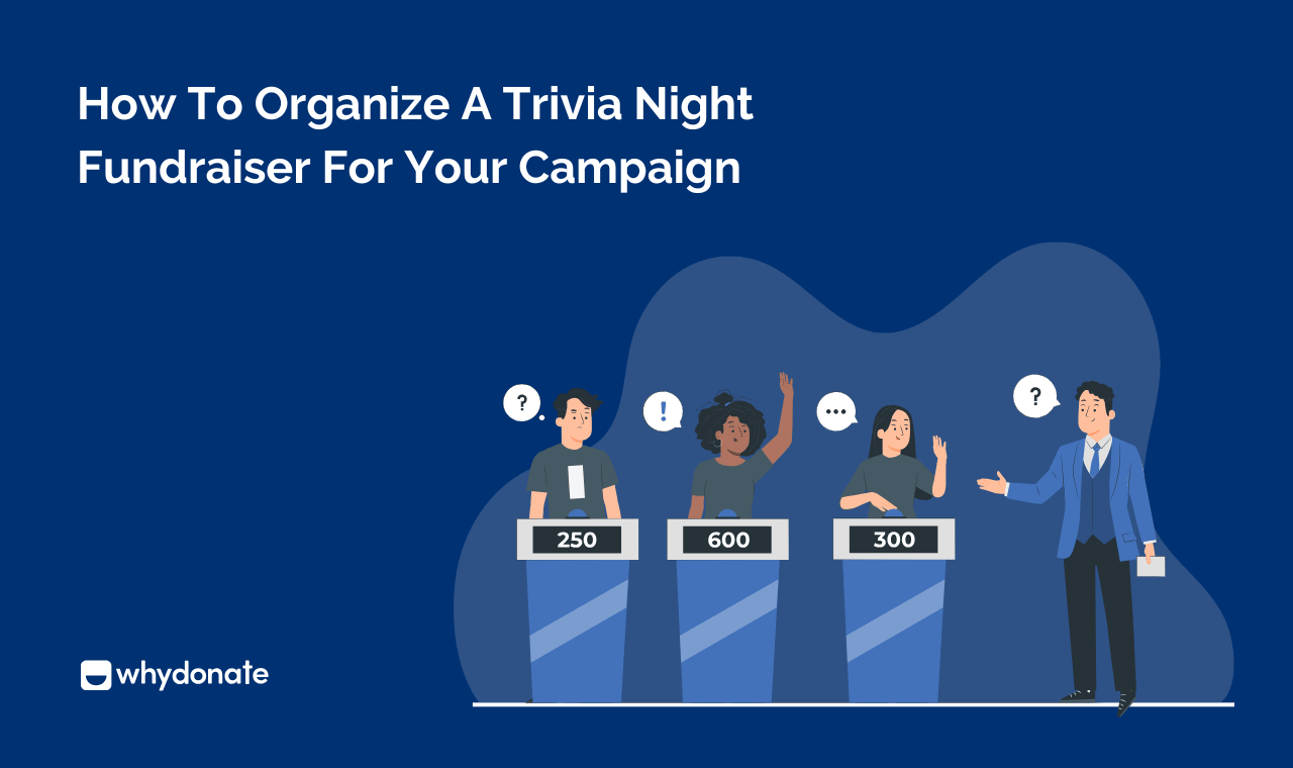
Trivia night fundraisers have become a go-to choice for organizations looking for fun, low-cost ways to bring communities together. Their unique blend of entertainment and teamwork makes them ideal for generating both excitement and generosity
Why Trivia Night Fundraisers Work So Well?
Trivia night fundraisers are among the most entertaining ways to raise money for a cause, and at the same time, a night filled with laughter, teamwork, and community spirit. No matter what type of institution, school, not-for-profit, or charity, trivia nights effectively blend entertainment and purpose in an attractive way—combining light-hearted competition with networking and enjoyable engagement that simultaneously generate and attract benefits. As reported by TriviaFundraiser, these fundraisers commonly raise between $3,000 and $10,000 per event, with some large or exceptionally well-organized events reaching $20,000 in a single night.
Primarily due to being a low-cost and high-engagement event, trivia nights make outstanding event choices for any organization: they have fun showcasing their knowledge and socializing with others. And when they do, it supports a significant cause, and therefore…participants and donors naturally follow.
Ready to make your idea a reality? Start your fundraiser on WhyDonate.

How to Plan a Trivia Night Fundraiser: Step-by-step Guide
1. Build Your Dream Team
One of the smartest ways to set your event up for success is to form a fundraising committee that handles all the planning and decisions before the big day. Bring together people with different strengths — someone good with logistics, another who’s strong in communication, maybe one with finance or creative experience.
Give each person clear responsibilities that align with their strengths, and maintain alignment with regular check-ins. That rhythm keeps ideas moving and prevents last-minute chaos.
2. Define Your Goals and Budget
Decide exactly what your trivia night will support. List everything — the venue, refreshments, prizes, printing, and online promotion. Separate what’s fixed, like equipment, from what changes with attendance, like food. A good budget gives you control instead of surprises.
Use an interactive fundraising goal tracker to keep an eye on the metrics.
3. Choose the Right Date and Venue
Pick a date that doesn’t clash with other big community events or holidays. Trivia nights can work almost anywhere. You can host them in person, online, or both. If it’s in person, look for community halls, school gyms, or restaurants — places that already have good acoustics and enough seating for teams.
If you’re going virtual, tools like Zoom, Kahoot, or Slido make it easy to host and keep participants engaged.
Reach out to local businesses. Many are happy to sponsor the venue or offer help in kind, whether it’s catering, decorations, or a few prizes for the winners. Sometimes all it takes is asking.
4. Pick a Fun Theme
A good theme gives your trivia night instant personality. It turns a regular fundraising event into something people talk about. You could go with Decades Night, inspired by the 70s, 80s, or 90s. Or pick Pop Culture and Movies if you want something lively and relatable. Sports Legends works great for competitive crowds.
You can even link the theme to your cause with Trivia for a Cause, where the questions tie back to your organization’s mission. A clear theme makes marketing easier and helps everything — décor, questions, and prizes — feel connected.
5. Prepare Engaging Questions
Here is the thing. The pace of the night rises and falls with your questions. Mix difficulty so everyone gets a win and still feels challenged. Spread the topics across music, history, geography, and pop culture.
Add a couple of picture rounds or quick audio clips to keep the room alert. You can use question packs for structure, then sprinkle in a few of your own for personality. Test every image, sound, and slide before guests arrive. Tech snags stop the fun cold.
6. Add Fundraising Boosters
When your goal is to raise more than just the ticket revenue, add a few side activities that make giving easy and fun.
A wine pull or balloon pop works every time. Guests give a set amount, then either choose a mystery wine bottle or pop a balloon with a gift card inside. The prizes usually match or slightly exceed the donation, so everyone walks away happy.
Raffles are another crowd favorite. Sell tickets for a chance to win a prize or two — simple, familiar, and always engaging.
If you want something that runs quietly in the background, set up a silent auction. Between rounds, give teams a moment to relax. That’s the perfect time for them to check out and bid on donated items or experiences. It keeps the energy going without breaking the flow of the evening.
Mulligans add a light, competitive edge. Teams can buy a few for a small donation, and when they use one, it scores them an automatic point on a question they want to skip. It’s fun, keeps spirits high, and brings in a nice boost to your fundraising total.
Enable fast giving by setting up a donation QR code via WhyDonate, allowing attendees to donate instantly using their phones.
Want to make donations even easier? Set up your trivia night fundraiser on WhyDonate and start collecting contributions online in minutes. Register now!
7. Secure Sponsorships
Got big plans but a small budget? Bring in sponsors. Local businesses and community partners are often happy to help if they can see the impact. Offer a few levels of sponsorship so there’s something for everyone — from small contributions to headline support.
You can get creative with it. A round sponsor could cover one set of trivia questions. Their logo goes on the answer sheet, and the emcee gives them a quick shoutout before the round starts. For activities like a wine pull or balloon pop, find sponsors to cover the costs or donate the prizes.
Food and drink are always crowd-pleasers, so reach out to local restaurants, cafés, or breweries. They might be open to providing refreshments or serving food on-site, with part of the proceeds going toward your cause. Sponsors love visibility, and you’ll save money while giving your event a more local, connected feel.
8. Set Ticket Prices and Sell Smartly
Here is the thing. Pricing shapes turnout and revenue. Offer team tickets for groups of 4 to 6. Give solo guests an easy individual option. Nudge early sign-ups with early bird discounts or a simple VIP package that includes better seats or a free drink.
9. Promote Your Trivia Night Fundraiser
What this really means is you want consistent buzz in the places your people already are. Create a Facebook or Instagram event with the same look and message everywhere. Email your donor list with a short invite that links straight to tickets.
Put fundraising flyers in schools, libraries, and neighborhood cafés so locals see it on their daily routes. Share quick trivia teasers on social to build momentum. Finish every message with a clear call to action.
Detailed Planning and Event Execution
Planning Timeline
A well-timed plan keeps everything on track. Use the timeline below to map prep milestones and keep everyone aligned:
Time Before Event | Tasks |
8–10 weeks | Form committee, choose theme, secure venue |
6 weeks | Confirm sponsors, launch promotions |
4 weeks | Finalize trivia questions and prizes |
2 weeks | Test AV equipment, confirm catering |
1 week | Print materials, finalize team list |
Event day | Execute run-of-show checklist |
Post-event | Send thank-you messages, share a recap |
Rules, Scoring, and Fair Play
Set clear rules so the competition feels fair and fun for all. Before play begins, share these ground rules with every team:
- Team size: 4–6 players.
- Scoring: 1 point per correct answer, bonus for special rounds.
- Tie-breaker: Include a “closest to the number” question.
- Device policy: No phones during rounds.
- Have judges verify scores before announcing winners.
Display the rules on every table or include them in welcome packs.
Audio-Visual & Equipment Checklist
Avoid technical hiccups with this quick checklist. Before doors open, confirm the following are ready to go:
- Microphones, speakers, and backup batteries
- Projector or screen for questions
- Timer or buzzer app for pacing
- Answer sheets, pens, and clipboards
- Laptop and USB drive backup
- Wi-Fi access and extension cords
Always test all equipment a day in advance to avoid any glitches during the event.
Volunteer and Staffing Plan
To keep operations running smoothly, assign and brief these roles:
- Master of Ceremonies / Host: Engages audience, announces rounds
- Scorekeepers: Tally and verify answers
- Registration Desk: Check-in and ticket handling
- Fundraising Booth: Manage raffles, auctions, and donations
- Technical Lead: Oversee AV setup and troubleshooting
- Clean-Up Crew: Reset venue post-event
Provide brief training so volunteers understand their tasks and schedule.
Legal and Compliance Essentials
Before the event, ensure compliance with local laws:
- Check regulations for raffles, auctions, or alcohol sales.
- Secure permits if needed.
- Include your organization’s charity registration number on materials.
- Obtain photo and video consent from participants.
- Ensure insurance covers the venue and event activities.
A short legal checklist gives peace of mind and prevents last-minute issues.
Budget and Break-Even Worksheet
Keep finances transparent and organized. Use this worksheet to estimate costs and track your break-even point:
Category | Estimated Cost (€) | Notes |
Venue | 250 | Community hall donation preferred |
Prizes | 150 | Mix of gift cards and vouchers |
Refreshments | 200 | Local sponsor contributions |
Marketing | 100 | Flyers and digital ads |
Miscellaneous | 50 | Decorations and stationery |
Total Costs: €750
Goal: €1,500+ raised through tickets, raffles, and sponsorships.
Use WhyDonate’s dashboard to calculate live totals during your event.
Between-Round Fundraising Games
Add small interactive games to keep energy high and funds flowing. Between rounds, keep the room engaged with these quick mini-games:
- Heads or Tails: Everyone stands, flips coins, and the winner gets a prize.
- Paper Airplane Contest: Entry fee per throw, closest to the target wins.
- Mystery Envelope: Guests pick envelopes with hidden rewards.
- Guess the Number Jar: Quick game for small donations.
These short activities keep guests engaged during score breaks.
Virtual and Hybrid Trivia Options
If your supporters are spread out, run a virtual trivia fundraiser. Use Kahoot, Slido, or Crowdpurr for online play and pair them with Zoom for live engagement. For a hybrid setup, stream the in-person event so remote players can join in real time.
Test your connection, camera placement, and sound before you go live. WhyDonate lets you collect donations from anywhere through your campaign page, so no one misses a chance to give.
Hosting a virtual trivia night? Start your online fundraiser on WhyDonate and connect with supporters from around the world.
Measuring Success and Post-Event Engagement
Success isn’t just about total funds raised — it’s about building long-term relationships.
Track:
- Total funds raised vs goal
- Attendance count
- Sponsorship support impact
- Social engagement and hashtag use
Send a thank you email or a short survey. Share highlights and photos on your WhyDonate campaign page. Invite attendees to start their own fundraisers or become recurring donors.
Wrap-Up: Turn Trivia Into Real Impact
A trivia night fundraiser is more than just an evening of questions — it’s a fun, social, and meaningful way to raise money for your cause. With thoughtful planning, creative add-ons, and the right digital tools, you can create an event that people look forward to every year.
When you use WhyDonate, managing donations, tickets, and sponsors becomes effortless. From online ticket sales to mobile donations, everything is in one place — letting you focus on what matters most: your community and your cause.
Whether you’re raising funds for your school, nonprofit, or local cause, launch your fundraiser today on WhyDonate and make every answer count.
FAQs on Trivia Night Fundraising
Q. How many people should be in each team?
A. 4–6 players per team is ideal — large enough for collaboration but small enough for everyone to participate.
Q. Can I host a trivia night fundraiser online?
A. Yes. Virtual events are easy to manage with tools like Kahoot or Zoom, and WhyDonate supports global participation and donations.
Q. What’s the best way to attract sponsors?
A. Reach out to local businesses that align with your cause. Offer clear benefits — logo exposure, mentions, or VIP tickets — in exchange for support.
Q. How long should the event last?
A. Typically, 2–3 hours, including breaks and raffles. Keep the pace lively.
Q. What if people can’t attend but still want to help?
A. Add your WhyDonate campaign link to all materials so supporters can donate remotely.

Sudatta is a senior content manager with more than 10 years of experience in the content space and an expert in crowdfunding and fundraising-related topics. She enjoys creating engaging and reader-friendly content. In addition to writing, Sudatta is also passionate about music, travelling, and reading.