listOn this page
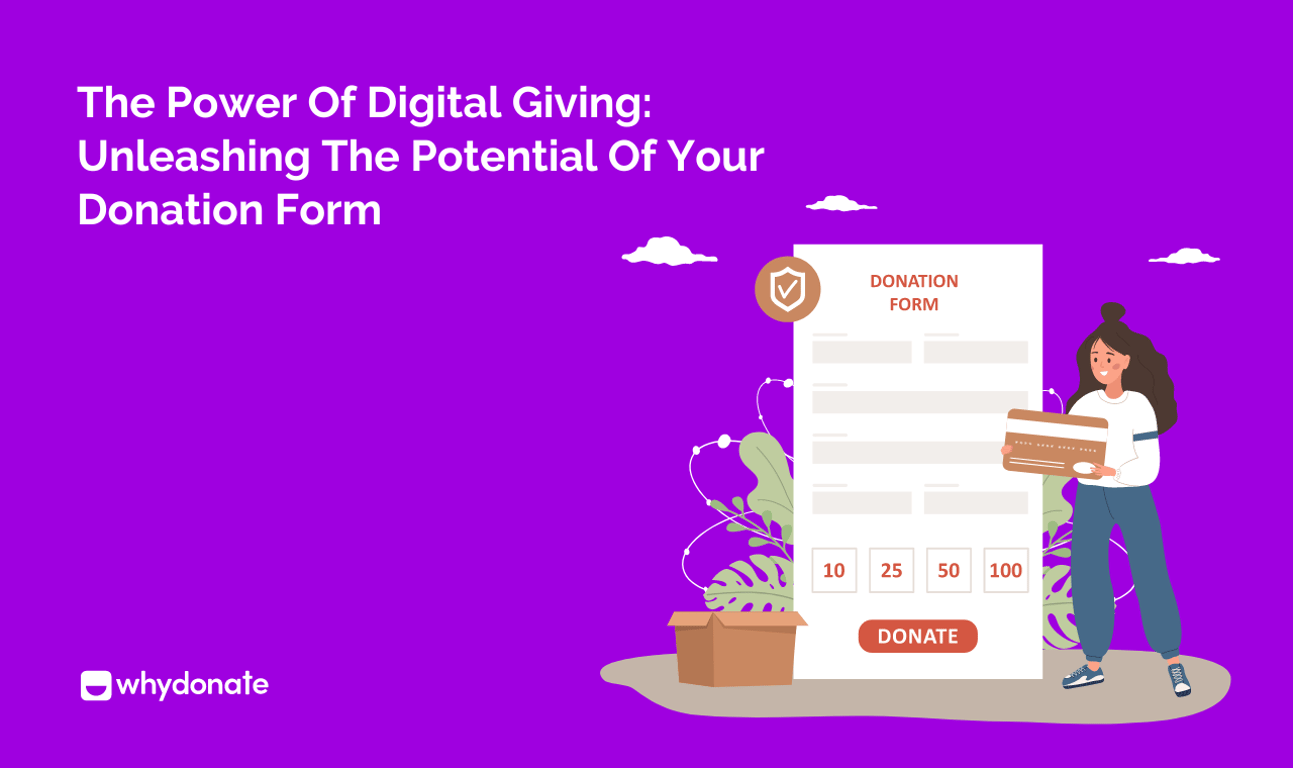
Nonprofits spend weeks crafting campaigns, writing stories, and planning outreach. Yet the one thing that determines whether all that effort succeeds or fails is often ignored: the online donation form.A donor may feel inspired by your mission. They may trust your organization. They may even be ready to give.
And then they leave because the form felt slow, confusing, or just slightly off. That’s why donation forms are no longer just another page on your website. They’re the turning point between interest and impact.
In today’s digital-giving world, that turning point needs to feel easy, safe, and human. Support a cause you care about today. Make a secure donation and see the power of digital giving in action.
What Online Donation Forms Actually Do for Nonprofits
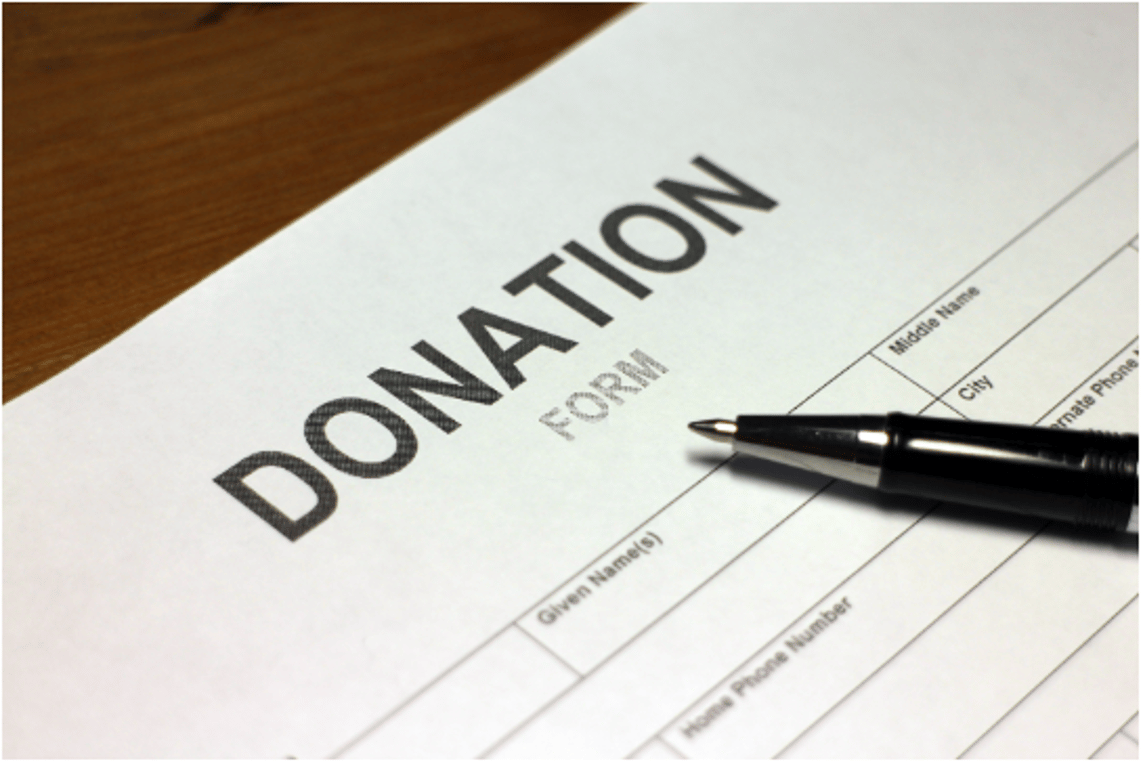
When they work well, donation forms quietly handle some of the hardest parts of fundraising.
1. They remove friction
Nobody enjoys filling out long forms. A good donation form respects a donor’s time and attention. It lets someone give in seconds, whether they’re on a phone during a commute or on a laptop at home. That speed matters, especially in moments that are emotional or urgent.
2. They build trust without saying a word
Donors rarely read security policies. But they feel that when a form looks reliable. Clean design, familiar payment options, and small cues like HTTPS or payment icons go a long way in making people feel safe enough to proceed.
3. They give you insights you can actually use
Over time, forms tell you:
- who gives often
- who gives once
- who prefers monthly support
- which causes the most
That data isn’t just useful, it’s how smarter fundraising happens.
What Makes a Donation Form Feel “Right”
A donation form feels right when it doesn’t try to impress; it simply makes giving feel natural.
1. Keep It Short
Every extra field adds friction. Ask only what’s essential and remove anything that slows someone down. If they’re ready to give, your job is to make it effortless.
2. Be Clear About Where the Money Goes
“A simple, honest line like “Your donation helps provide meals to families in crisis” builds more trust than a long explanation. People don’t need emotion-heavy copy they need transparency.
3. Use words that sound natural
“Donate Now” works. But “Help someone get through today” works better.The difference is intention. If you want structure around this, Donorbox’s donation form best practices are genuinely helpful.
The Platform You Choose Shapes the Experience
Not all fundraising platforms treat donation forms the same way.Some make them flexible. Some make them complicated. Some quietly eat into your donations with fees.WhyDonate removes platform fees entirely and keeps the tech simple. That matters more than it sounds. When you’re not fighting the tool, you can focus on your mission.Donors can give once or choose recurring donations without friction, which is exactly how long-term support is built.
Choosing the Right Donation Form Template for Your Charity
Selecting the right donation form template is crucial for maximizing the effectiveness of your fundraising efforts. There are numerous options available, ranging from simple and elemental forms to more advanced and customizable templates. Consider your organization’s specific needs and goals when choosing a template.
If your charity focuses on multiple campaigns or fundraising initiatives, a template allowing customization and flexibility would be ideal. Look for templates that offer different fields and options to accommodate various donation types. Additionally, ensure that the template is mobile-responsive, as an increasing number of donors prefer to give on their smartphones or tablets.
It’s also essential to choose a template that integrates seamlessly with your website and CRM (Customer Relationship Management) system. This integration will allow for easier donor management, data collection, and reporting. Compatibility between the template and your existing systems will streamline your fundraising operations and enhance your overall donor experience.
Best Practices for Creating a Compelling Donation Request Form
Creating a compelling donation request form is crucial for encouraging potential donors to take action. Here are some best practices to consider when designing your form:
1. Tell a small, real story: One line about a person, a moment, or a result is more powerful than generic fundraising language.
2. Give people a reason to act now: Give people a reason that actually matters in the moment.“Your support today helps keep this program running through winter.” is honest and effective.
3. Make choosing an amount easier: Most people want to help but hesitate at the “how much” part. Giving a few clear options removes that mental block.
4. Always close with gratitude: A simple thank-you page might be the most underrated part of a donation form. It’s where a one-time donor can start feeling like a supporter.
The Role of WordPress in Creating Donation Forms
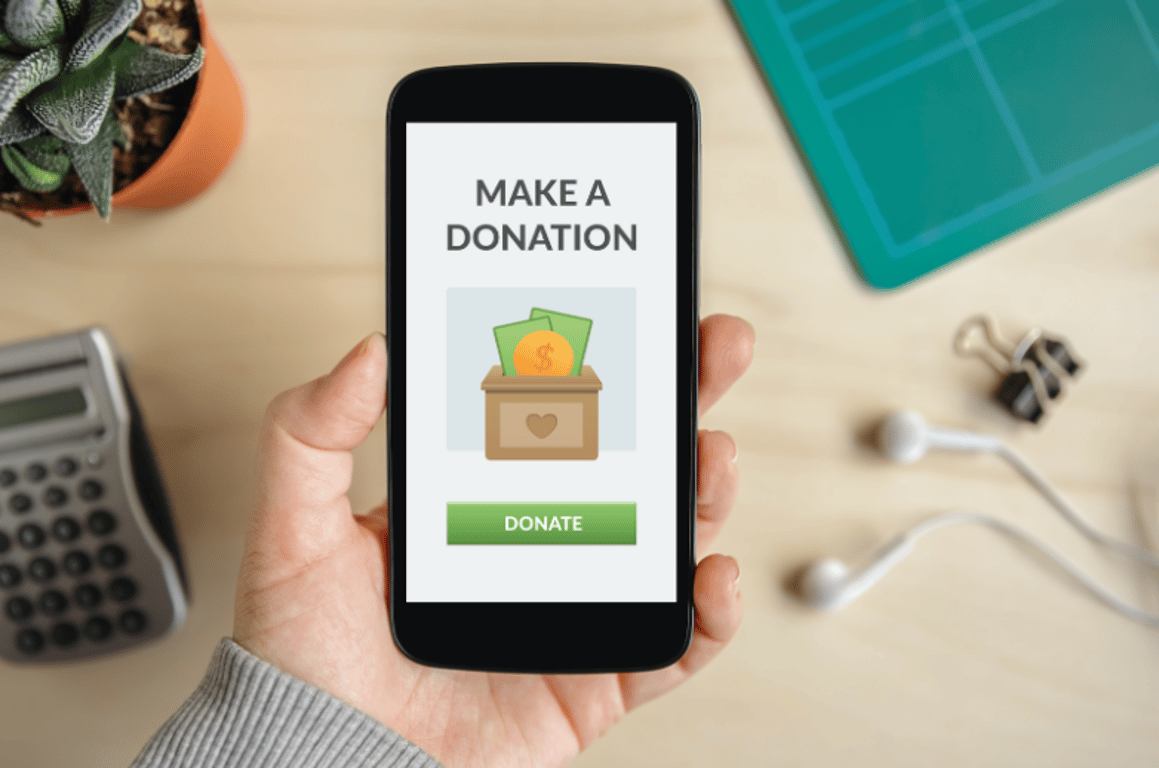
WordPress is one of the easiest ways for charities to build and manage donation forms without needing a developer on standby. It’s flexible, widely supported, and simple enough to use even if you’re not technical. One big advantage is the availability of ready-made templates. Instead of building a form from scratch, you can start with a solid structure and tweak it to match your branding and campaign goals. Colors, messaging, fields, everything can be adjusted to feel like your organization.
On top of that, WordPress has a huge ecosystem of plugins. You can connect your form to payment gateways, your CRM, or your email platform without complicated setups. That means donations, donor data, and follow-ups all flow smoothly in the background. In short, WordPress gives charities control, flexibility, and room to grow — without overcomplicating the process.
How to Integrate Your Donation Form With Your Website and CRM
Integrating your nonprofit donation form with your website and CRM system is essential for efficient donor management and data analysis. Here’s how you can achieve this integration:
- Choose a compatible donation form plugin: Select a plugin that is compatible with both your website and CRM system. Ensure that the plugin offers the necessary integration features and functionalities.
- Install and configure the plugin: Follow the plugin’s installation instructions and configure the settings according to your requirements. Set up the necessary connections between the form, website, and CRM system.
- Map form fields to your CRM: Map the fields in your donation form to the corresponding fields in your CRM system. This mapping ensures that the data captured through the form is accurately recorded in your CRM database.
- Test the integration: Conduct thorough testing to ensure that the integration is working correctly. Use a test automation platform to test the form submission, data transfer to the CRM, and any additional functionalities or automation.
- Monitor and analyze data: Once the integration is in place, regularly monitor and analyze the data captured through the form. Use this data to track donation trends, donor behaviour, and campaign performance. Make data-driven decisions to optimize your fundraising efforts.
Tracking and Analyzing Donation Form Performance
Tracking and analyzing the performance of your donation form is crucial for optimizing your fundraising efforts. By monitoring key metrics and analyzing data, you can identify areas for improvement and make data-driven decisions. Here are some key metrics to consider:
- Conversion rate: Measure the percentage of visitors who complete the donation form. A high conversion rate indicates an effective form, while a low rate may signal usability issues or a lack of compelling content.
- Average donation amount: Track the average amount donated through the form. This metric can help you assess the effectiveness of your suggested giving levels or identify opportunities for increasing donation amounts.
- Abandonment rate: Monitor the percentage of visitors who start filling out the form but do not complete it. A high abandonment rate may indicate usability issues, a lengthy form, or a lack of trust in the donation process.
- Traffic sources: Analyse where your form traffic is coming from. This data can help you identify which marketing channels or campaigns are driving the most donations.
- Donor retention: Track the percentage of donors who make repeat donations. A high donor retention rate indicates a strong relationship with your supporters and the effectiveness of your fundraising efforts.
By regularly reviewing these metrics and analyzing the data, you can implement targeted optimizations to improve the performance of your donation form and enhance your overall fundraising strategy.

The Future of Donation Forms and Digital Giving
As technology continues to advance, the future of donation forms and digital giving holds great promise for charitable organizations. Here are some trends to watch out for:
- Mobile-First-Design: With the increasing use of smartphones, donation forms will need to be optimized for mobile devices. Mobile-first design principles will ensure a seamless and user-friendly experience for donors.
- Enhanced personalization: Donation forms will become more personalized, offering tailored suggestions based on donor preferences and giving history. Customization options will allow donors to have a more personalized giving experience.
- Integrated social sharing: Donation forms will incorporate social sharing functionalities, allowing donors to share their contributions on social media platforms. This integration will increase the reach and visibility of charitable causes.
- Blockchain technology: Blockchain technology has the potential to revolutionize the transparency and accountability of donations. Smart contracts and decentralized platforms can ensure that funds reach their intended recipients and that donors can trace their contributions.
- Virtual reality experiences: Virtual reality (VR) will enable charities to create immersive experiences that showcase their impact and connect with donors on a deeper level. VR technology can transport donors to the frontlines of charitable work, inspiring greater empathy and engagement.
Conclusion
Your donation form is not just a tool. It’s a conversation. It tells donors:
- whether you’re trustworthy
- whether you’re serious
- whether giving to you feels safe
When that conversation feels clear and human, digital giving stops being just convenient; it becomes powerful.Unleash the potential of your donation form today. Start fundraising with WhyDonate!
FAQs
What is a charitable donation form?
An online form that lets people donate securely without paperwork or manual processes.
What makes a donation form effective?
Clarity, simplicity, and alignment with the cause.
Should I offer recurring donations?
Yes. They create stable income and deeper supporter relationships.
How do I build trust on a donation form?
Clear messaging, secure payments, and familiar payment options.

Sudatta is a senior content manager with more than 10 years of experience in the content space and an expert in crowdfunding and fundraising-related topics. She enjoys creating engaging and reader-friendly content. In addition to writing, Sudatta is also passionate about music, travelling, and reading.