listOn this page
Did you know that the amount of funds dedicated to disaster relief efforts throughout the world has been increasing? The total funding reported in 2025 reached 14.13 billion dollars, which included 751.2 million dollars from the United States that constituted more than 18% of worldwide disaster relief funding.
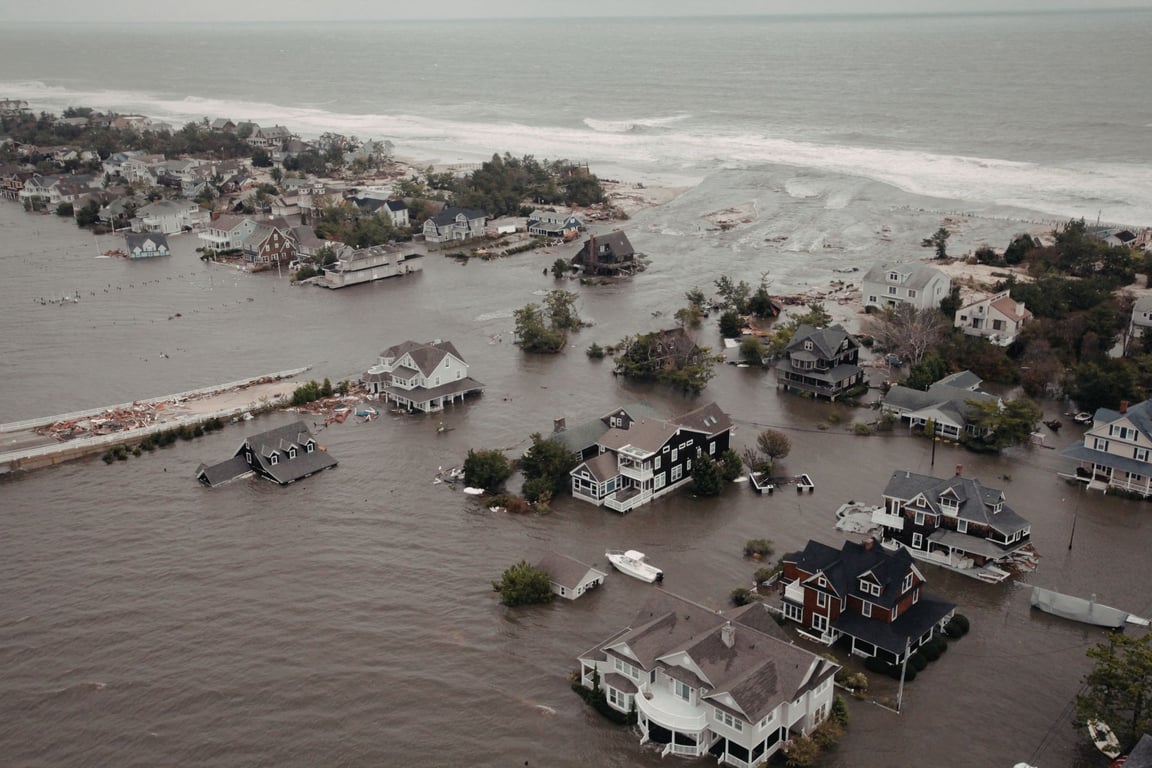
Disasters create immediate danger, which results in the complete destruction of affected areas. People must leave their homes during wildfires, which destroy buildings, and earthquakes that cause total citywide disruptions. Communities depend on urgent food and shelter, medical aid, and financial resources during these critical times.
This is where disaster relief fundraising plays a critical role. Emergency responders use donations to deliver emergency help, which enables them to undertake long-term recovery work that includes home rebuilding, healthcare system restoration, and family support activities.
Planning Ahead: Preparing for Emergencies
Why Pre-Disaster Planning Matters
Disasters occur suddenly, rarely leaving any time for preparations. Organizations that handle emergency situations successfully maintain their entire system in an active status before any emergencies occur. Disasters cause less damage through the active management of emergency readiness. The establishment of strict construction standards, effective flood control measures, and accessible emergency resources enables communities to safeguard themselves against disasters.
Organizations fundraising for disaster relief need to establish their donation systems; they require rapid deployment during emergency situations. Launching fundraising campaigns immediately after a disaster enables organizations to attract public interest while securing financial support.
Building a Framework
A successful disaster fundraising campaign needs to develop an organized framework that will guide its fundraising processes. Organizations should prepare by:
- Creating leadership positions that will manage emergency response activities
- Developing systems that will allow them to communicate with their donors and volunteers
- Creating online campaigns that will enable their donation landing pages and their donation tools
- Developing collaborations with international relief agencies
Logistics and Timing Challenges
People need to understand that financial donations do not support first rescue missions, which begin after emergencies. Search and rescue teams depend on their trained personnel and their specialized tools. Recovery operations require donations, which become vital for completion.
Funding supports the process of rebuilding infrastructure while schools and hospitals receive restoration, and families who lost their homes receive financial assistance. Disaster relief fundraising with proper planning enables organizations to provide their essential support for community rebuilding.
Who Can Drive Disaster Relief Fundraising
Successful relief efforts usually involve collaboration between nonprofits, businesses, individuals, and local community organizations.
1. Nonprofits
Nonprofit organizations lead disaster relief fundraising campaigns because of their established connections with donors and their expertise in running operations. The organization can quickly mobilize its resources and manage its volunteers while maintaining transparent and responsible distribution of donations.
2. Businesses
Businesses can use their corporate giving programs to enhance their efforts in fundraising for disaster relief. Many businesses establish employee donation programs, which include matching gifts and charity events. These activities generate funds while they help people learn about relief programs.
3. Individuals
The sharing of peer-to-peer fundraising campaigns through social networks by numerous people demonstrates their essential role in fundraising. The method enables fundraising activities to reach more people while facilitating global community participation.
The 2023 Turkey-Syria earthquake response showed that 47% of donors who completed surveys planned to donate, which demonstrates how people want to assist during major emergencies. For those wondering how to help disaster victims, starting a small fundraiser or sharing existing campaigns can be an effective way to contribute.
4. Local Community-Led Action
Grassroots organizations provide emergency response capabilities because their training enables them to function as rapid responders. The local communities understand the local environment and the most critical needs that need to be addressed. Grassroots organizations provide immediate and effective help, according to the Common Ground Collective, which emerged after Hurricane Katrina.
Why Grassroots Groups Matter
Disaster response operations receive multiple benefits from grassroots organizations, which include:
- Community understanding of needs.
- Community members trust local organizations.
- Organizations can reach at-risk populations, which larger entities tend to miss.
- Organizations show commitment to long-term reconstruction work.
- They can change their operations to handle emergency situations.
Why Crowdfunding is an Effective Tool
Crowdfunding has changed how communities respond to emergencies. WhyDonate, one of Europe’s leading crowdfunding platforms due to its user-first features, enables them to gather financial support from worldwide donors while establishing strong donor loyalty. The crowdfunding system provides various advantages for disaster relief fundraising:
- Fast campaign setup
- Global donor reach
- Transparent donation tracking
- Easy sharing through social platforms
- Multi-currency feature
WhyDonate allows fundraisers to collect donations internationally, manage campaigns easily, and distribute funds quickly to those who need support.
How to Start a Disaster Relief Fundraiser
Starting a disaster relief fundraiser appears to be an easy task. The process typically includes:
- Creating a campaign page with a clear goal.
- Explaining the situation and identifying who will benefit.
- The crisis requires visual evidence, which should include both images and videos.
- Promote the campaign through various platforms, including social media and by sending a fundraising email.
- Provide periodic updates and impact reports to keep supporters updated about current events.
Get the help you need during crises – Start your fundraising campaign for free today!
Peer-to-Peer Campaigns
Supporters have the ability to establish their own fundraising campaigns, which will contribute to the main fundraising initiative. The peer-to-peer campaigns enable organizations to reach more people while motivating their community members to take part.
Events and Merchandise
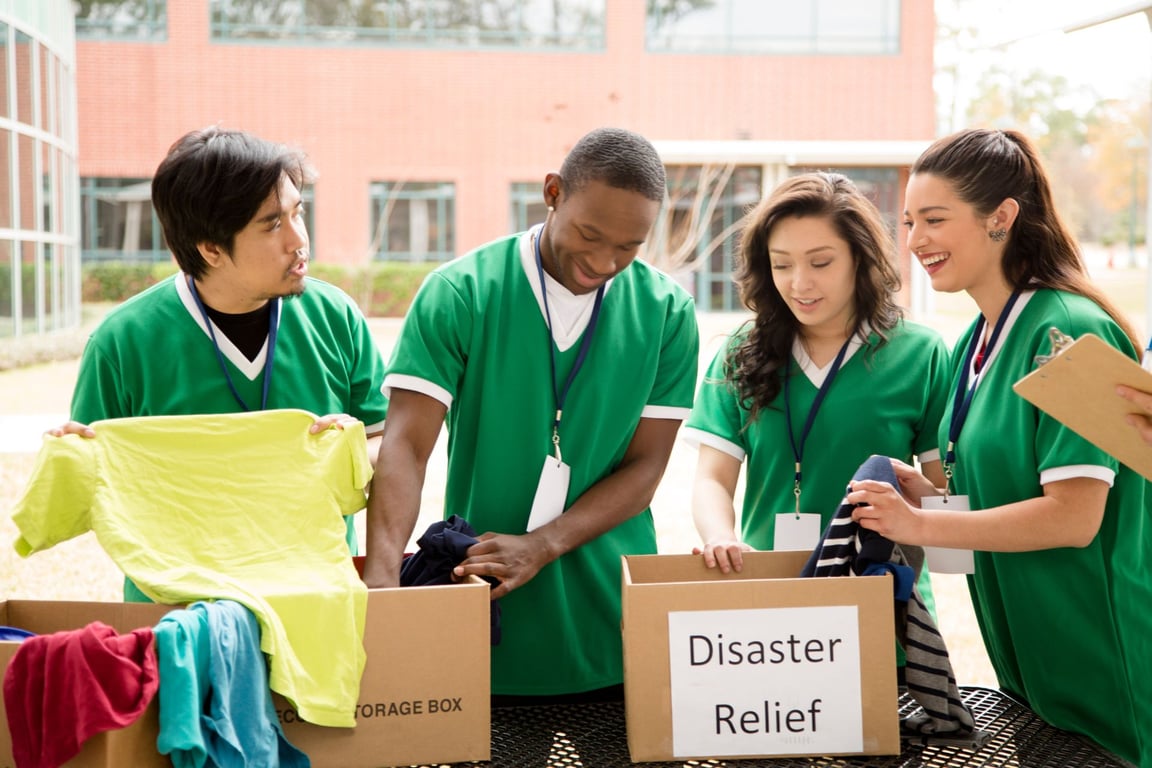
Fundraising events can further increase engagement. The organization obtains new donors through its three methods, which include virtual fundraising events, community gatherings, and digital campaigns. Organizations use merchandise sales to create additional disaster relief funds, which help them recover their costs.
Storytelling and Messaging: Humanizing the Cause
The Power of Stories
Statistics describe the disaster’s scale, but personal accounts show its impact on individuals. Sharing real experiences helps donors understand how their contributions will support individuals and families. Campaigns that combine photos with personal stories and updates will create more audience engagement with their content.
Transparency and Trust
Donors want to know how their contributions will be used. Trust is established through clear communication that explains both objectives and progress. The fundraising campaigns establish their objectives, which include providing emergency shelter for displaced families, delivering food and medical supplies, and rebuilding schools or homes. Donors demonstrate increased support for relief efforts after they observe concrete results from their donations.
Security and Privacy
All fundraising activities must create methods that safeguard private data. Donor and beneficiary data should always be handled securely. Equally important is ethical storytelling. Fundraisers should present situations honestly while respecting the dignity of those affected.
Communication for Maximum Reach
Social Media and Media Outreach
Relief campaigns benefit from social media platforms because they serve as effective channels for their distribution. Emergency response campaigns use posts and videos, and hashtags to achieve rapid dissemination during critical situations. Collaborations with influencers, journalists, and community leaders can further increase visibility.
Email Updates and Calls to Action
Email remains an effective fundraising channel. The combination of subject lines that provide clear information and personal updates, together with direct calls to action, results in recipients supporting campaigns or sharing them with others. Donor updates, which organizations provide at regular intervals, help to maintain donor contact.
Standing Out in a Crowded Digital Space
The internet becomes a platform for multiple campaigns to launch simultaneously during major disasters. To maintain visibility:
- Share compelling visuals and authentic stories
- Post updates regularly
- Partner with trusted organizations
- Work with local media outlets
These strategies help ensure your disaster relief fundraiser reaches supporters who want to help.
Beyond Immediate Relief: Building Sustainability
The process of disaster recovery requires several years to complete, instead of taking only a few weeks to finish. The organization needs sustainable funding to operate its vital functions. Organizations can develop extended recovery plans through stable financial support, which enables them to rebuild homes, restore healthcare services, and maintain educational programs.
Organizations use disaster relief funds as their primary funding source to support their disaster response work. Existing resources can be augmented through partnerships that connect nonprofits with government agencies and business entities while they enhance recovery programs.
Follow-Up and Donor Stewardship
Thanking Donors
Fundraising efforts require organizations to show appreciation toward their supporters. Donor relationships become stronger through personalized thank-you letters, which organizations use to acknowledge their supporters.
Sharing Impact Updates
Supporters maintain their interest through updates that show how their donations are used. The WhyDonate campaigns provide regular updates that demonstrate how funds were used to rebuild homes and deliver supplies, and support families in need. The updates establish trust while showing how donations create actual outcomes.

Wrapping Up!
The world faces immediate threats that develop from disaster events. Emergency fundraising requires strong preparation and strategic planning because it brings powerful assistance to community recovery efforts. Campaigns achieve success through four essential elements, which include effective planning and collaborative efforts, narrative development, and open information sharing.
If you are looking for how to help disaster victims, starting or supporting a fundraiser is one of the most effective ways to contribute. Every donation helps communities rebuild and move forward after a disaster.
Start your disaster relief fundraiser in minutes—help families get food, shelter, and support when they need it most.
FAQs (Frequently Asked Questions)
What is the best charity for disaster relief?
There isn’t a single “best” charity. What matters is speed, transparency, and real impact. Platforms such as WhyDonate allow people to start their own fundraisers for disaster victims, while donors can contribute directly to those in need. This creates faster support, fewer delays, and a more personal connection to the cause.
What do disaster victims need most?
Immediate needs usually include clean water, food, shelter, and medical aid. After the first phase, support shifts to rebuilding homes, restoring livelihoods, and providing mental health care. Flexible donations are often more useful than physical goods because they allow responders to address urgent, changing needs on the ground.
What charity gives the highest percentage of donations to the cause?
The highest-impact giving often comes from platforms that keep fees low and transparent. WhyDonate stands out with a 0% platform fee, meaning more of your money goes directly to the cause. Only a small 1.9% + €0.25 transaction fee applies, covering payment processing, with a €0.35 flat fee for iDEAL | Wero and Bancontact. Non-euro currencies are priced differently: USD 2.9% + $0.30, GBP 1.9% + £0.25, SEK 1.9% + 1.80 kr. Transaction costs can also be a bit higher depending on the payment method used.
How does the disaster relief fund work?
A disaster relief fund collects donations from individuals and organizations, then distributes them to affected areas. Funds may be used for emergency aid, rescue operations, and long-term rebuilding. On WhyDonate, people can create or support fundraisers directly, helping victims receive financial assistance quickly and efficiently.
Are disaster relief payments taxable?
In many cases, disaster relief payments are not considered taxable income, especially when provided for essential needs like housing or medical care. However, tax rules vary by country and situation. It’s always best to check local regulations or consult a tax professional to understand specific obligations.

Content writer, Mehak, loves to work in a positive environment with a cup of tea. She has gained experience in writing on various niches, but crowdfunding is what excites her the most. The best part she finds about crowdfunding is that it helps a lot of people in need. Her hobbies are reading, writing, and sketching.