
Across the world, infrastructure that once supported daily life is slowly breaking down. The roads crack, bridges become weaker, drainage systems become ineffective, and the public facilities find it hard to manage the ever-increasing populations. These are not the only problems; these symptoms point to a considerably more extensive problem on a global scale, i.e., getting funding for failing Infrastructure.
In most instances, infrastructure failures do not just occur. They accumulate with time as a result of neglect, insufficient funding, or the stresses of the environment. The results of the breakdowns of the systems can also be devastating when they fail at last: transportation disruptions, health care access, and economic downturns.
Here is where the problem of poor infrastructure funding comes in. Although governments and institutions contribute significantly, they are usually crippled by budgets and delays. More communities are now considering the idea of crowdfunding and emergency fundraising models to speed up the process of repair and reconstruction of critical systems.
Table of Contents
The Global Challenge of Failing Infrastructure
“Failing infrastructure” refers to physical systems such as roads, bridges, water supply, and public facilities that are no longer functioning safely or efficiently. These failures may be in the form of a slight degradation to a total structural failure. This is a major global problem. The World Bank estimates that by 2030, about 40 percent of the infrastructure will be in need of repair or replacement, and developing economies incur nearly 3 percent of their yearly GDP through inefficiency in infrastructure. The reasons for this crisis are complex and interacting:
1. Oil Infrastructure and Deferred Maintenance
Several systems were constructed several decades ago and are currently working past their purported lifespan. Little problems will turn into big ones without maintenance, and these repairs will become more costly and more urgent.
2. Climate Change and Environmental Stress
The infrastructure is also corrupted by extreme weather conditions like floods, heat waves, and storms. Extreme weather can damage roads, weaken bridges, and overwhelm drainage systems during heavy rainfall.
3. Persistent Underinvestment and Financial Restrictions
The governments usually focus on the short-run economic demands at the expense of infrastructure investment in the long term. This causes postponements in repairs, which are more expensive and risky in the future.
4. Town Growth and Overcrowding
The high rate of population increase is putting further burden on the aging infrastructure systems, which were not developed to manage the pressure. Excess causes faster wear-off and less performance of the system. These problems are directly related to everyday life; students find it difficult to reach school, patients struggle to reach hospitals, and businesses suffer from unreliable systems.
Funding Solutions: From Governments to Communities
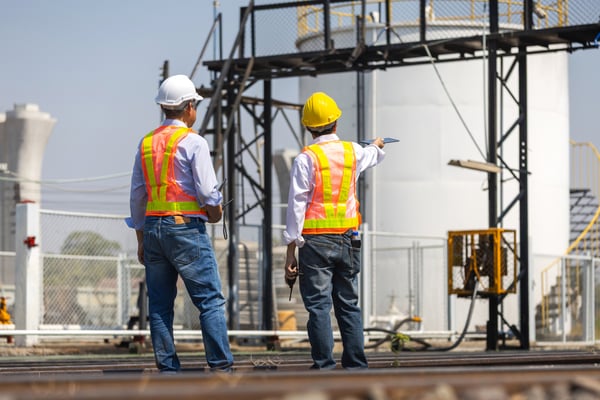
Traditionally, the repair of infrastructure has been the responsibility of governments and large organizations. However, budget limitations, bureaucratic processes, and competing priorities often slow down progress. This has created a vacuum where community-based solutions have been made, especially via crowdfunding. The digital platforms have helped people, organizations, and the leadership in the local areas to fundraise directly towards infrastructure repair programs. Funding for failing infrastructure is not only about money in crowdfunding but also speed, transparency, and community ownership.
Individuals tend to be identified with the result of a project when they contribute to it, which enhances responsibility and interest. The campaigns can be initiated within a short time through platforms like WhyDonate, and the community can respond to the emergency promptly, as compared to the older systems. This transition is a change towards participatory, decentralized infrastructure funding.
Starting a Fundraising Campaign for Infrastructure
Starting a fundraising campaign for infrastructure isn’t just about putting up a campaign page. It demands clarity, the establishment of trust, and a steady flow of communication. A well-executed campaign ensures that donors understand the need, believe in the process, and stay engaged with the project’s progress.
1. State Precise and Measurable Project Objectives
Make it clear what should be fixed or reconstructed, be it a road, bridge, school, or water system. Inclusiveness of estimated costs and schedules to give the donors an idea of the magnitude and viability of the undertaking.
2. Apply Visual Evidence and Local Context
Real-life examples, videos, and photos allow the donors to relate to the issue. The campaign will be more relatable and credible when the present state of infrastructure and the impact it has on everyday life are shown.
3. Keep The Records Up-To-Date and Open
Being able to share progress updates, milestones, and usage of funds fosters trust. When donors feel that a campaign is producing tangible results, then they will tend to persist in their support or sharing.
4. Partnership with Local Stakeholders
Partnering with local councils, NGOs, or engineers will ensure the project is technically valid and executed correctly. This also lends credence to the campaign. Emotional narratives are frequently integrated with pragmatic information when raising money to rebuild infrastructure, making it easy to see the project’s purpose and how it will come to fruition.

Charities And Infrastructure Recovery Funds
While individual campaigns play a key role, established organizations continue to lead large-scale recovery efforts, especially when it comes to funding for failing infrastructure.
Red Cross
The Red Cross is best renowned for its disaster response activities, such as the reconstruction of infrastructure following floods, earthquakes, and other disasters. It is concerned with re-establishing basic systems, including shelters and water distribution as well as community facilities. It is able to react promptly to emergencies as a result of its international coverage. Much of this rebuilding is powered by disaster relief fundraising, which channels donations directly into recovery efforts. It is able to react promptly to emergencies as a result of its international coverage.
Habitat for Humanity
Habitat for Humanity engages in the reconstruction of homes and community infrastructure for vulnerable people. It integrates volunteer work and financial assistance to develop long-term housing solutions. Community development in the long term is also a priority in the organization. Charities supporting damaged infrastructure need to ensure funds are used effectively and projects are planned with a strong long-term vision. Meanwhile, micro-donations of individuals are gathered by infrastructure recovery funds that enable the financing of large-scale projects on a community basis. Such a model would speed up the process of rebuilding and decrease the dependence on one financing source.
Why Online Platforms Like WhyDonate Matter
Digital fundraising platforms have transformed how infrastructure projects are funded. They offer instruments that render the campaigns more reachable, clear, and expansive.
Direct and Open Donations
Donors have an opportunity to donate money to particular projects directly and monitor the usage of their money. Such transparency fosters credibility, and it promotes more engagement.
Multi-Currency & Global Access
Donations can be made to campaigns all over the world, and it becomes easier to recruit the support of global communities, diaspora groups, and general donors in the world.
No Setup Barriers For Campaign Creators
Its setup costs are minimal or zero, and anyone can initiate a fundraiser within a short time. This comes in particularly handy during emergency cases where procrastination may lead to more damage to infrastructure.
Better Engagement Through Updates & Sharing
Inbuilt sharing applications enable campaigns to access more people. Regular updates keep the donors updated and make the campaign believable. The sites, such as WhyDonate, serve as the platform connecting the needs of the community to global assistance and make the restoration of infrastructure more effective and inclusive.
The Future Of Infrastructure Funding
The future of infrastructure funding is shifting toward a hybrid model that combines public investment with community participation. According to the Global Infrastructure Hub, global infrastructure investment needs are expected to reach $94 trillion by 2040. Governments alone may not be able to meet this demand. The implementation of community-based financing with the assistance of digital platforms is becoming an effective supplement to the old model.
Crowdfunding allows responding faster and being more transparent and more involved by the community. It gives individuals the ability to act and not wait until they receive institutional support, which is slow.
Conclusion
Infrastructure failure is less about structural problems and more human. It influences the way human beings move, obtain education and healthcare, and develop their lives. Addressing this issue requires policy changes, but active participation is also essential. Individuals can make significant contributions through donations, fundraising, or raising awareness. Everyone has the ability to turn compassion into action. As a result, all community fundraising efforts help build safer roads, stronger homes, and more secure futures.
Start your infrastructure rebuilding fundraiser on WhyDonate today and help create lasting change by supporting community resilience projects.
FAQs
1. What is funding for failing infrastructure?
It refers to raising money through donations, crowdfunding, and institutional support to repair or rebuild essential infrastructure systems
2. What does an infrastructure recovery fund mean?
It is a joint fund that gathers the donations to restore the destroyed infrastructure, such as roads, bridges, and social amenities.
3. Is it useful to support damaged infrastructure through charities?
Yes, trusted organizations and platforms mean that the money is spent in a transparent way on infrastructure recovery.
4. What are the advantages of crowdfunding with respect to infrastructure repair?
It enables quicker funding, makes it more transparent, and engages the community in the process of rebuilding.