listOn this page
A leukemia diagnosis changes everything in an instant. For patients and their families, the path forward becomes about fighting a disease while wrestling with an overwhelming question: How will we afford treatment?
Cancer itself is a financial burden. Across the globe, families face heavy medical bills that can reach well over $150K monthly in treatment costs (Source). Many insurance plans cover some parts of care, but there are always gaps that slow treatment, drain savings, and add stress when patients should be focusing entirely on healing.
This is where leukemia fundraisers step in as a lifeline. Fundraising for leukemia treatment isn’t just about collecting money; it is about showing patients and families that they’re not alone. A successful leukemia and lymphoma fundraiser can bridge the financial gap, allow patients to access cutting-edge therapies, and give families back precious peace of mind.
Get the help you need. Start a Leukemia fundraiser and take care of your health.
Understanding Leukemia and Its Treatment
Leukemia is a blood cancer that starts in the bone marrow, where blood cells are made. In leukemia, the body produces too many abnormal white blood cells that don’t work the way they should. These cancer cells crowd out healthy cells, leading to serious health problems.

What You Need to Know About Leukemia
Leukemia comes in different forms, and understanding the type matters for treatment planning and costs. The main types include:
Acute leukemia develops quickly and needs fast, intensive treatment. Acute lymphoblastic leukemia (ALL) is common in children but can also affect adults. Acute myeloid leukemia (AML) is more common in adults and moves fast. Symptoms of acute leukemia come on suddenly and can be severe, such as unexplained tiredness, fever, easy bruising, frequent infections, shortness of breath, and bone pain.
Chronic lymphocytic leukemia (CLL) progresses slowly and usually affects older adults, while chronic myeloid leukemia (CML) is often found by chance during routine blood tests.
The Leukemia Treatment Journey
Leukemia treatment typically involves many stages:
Diagnosys comes first. Before treatment begins, doctors need to confirm the diagnosis and understand the disease’s stage. This includes blood tests, bone marrow biopsies, imaging scans, and genetic testing. These tests alone can cost thousands of dollars before active treatment even starts. Understanding these pre-treatment costs can help you strategize your next fundraising moves.
Therapies aim to achieve remission by destroying as many cancer cells as possible. This involves chemotherapy, sometimes combined with targeted therapy or even immunotherapy. Patients have to stay in the hospital for several weeks, with additional daily or weekly visits.
Bone marrow or stem cell transplant if needed. This major procedure uses high-dose chemotherapy to destroy the diseased bone marrow, and then healthy stem cells are given. Recovery can take months and needs a lot of hospital care, making it one of the most costly treatments.
Follow-up Therapy continues for months or years after remission to keep the disease under control. This involves ongoing medications, regular blood tests, and frequent doctor appointments.
Why Fundraising Is Critical for Leukemia Patients
The global healthcare system leaves many leukemia patients in a desperate financial position. Here’s why fundraising for leukemia treatment has become another way of survival:
- The Insurance Gap: Even with insurance, the out-of-pocket costs for leukemia treatment are extremely high. For patients without insurance, the situation is even harder.
- Additional Expenses: Leukemia brings more than just big medical bills. There are also extra costs that often come up later, such as travel costs for treatment, accommodation costs, childcare expenses, nutritional support and supplements, weekly appointments, and hospice care. Like many other forms of fundraising for cancer, leukemia fundraisers help families close the gap left by insurance and rising care costs.
- Access to Better Treatment: Fundraising doesn’t just cover basic treatment; it can provide access to newer, more effective therapies that insurance might deny or that patients couldn’t otherwise afford. This can mean the difference between fighting the disease and accepting a poor prognosis.
- The Emotional and Practical Reality: Leukemia patients shouldn’t have to choose between paying for treatment and paying rent. A successful leukemia and lymphoma fundraiser removes that impossible choice.
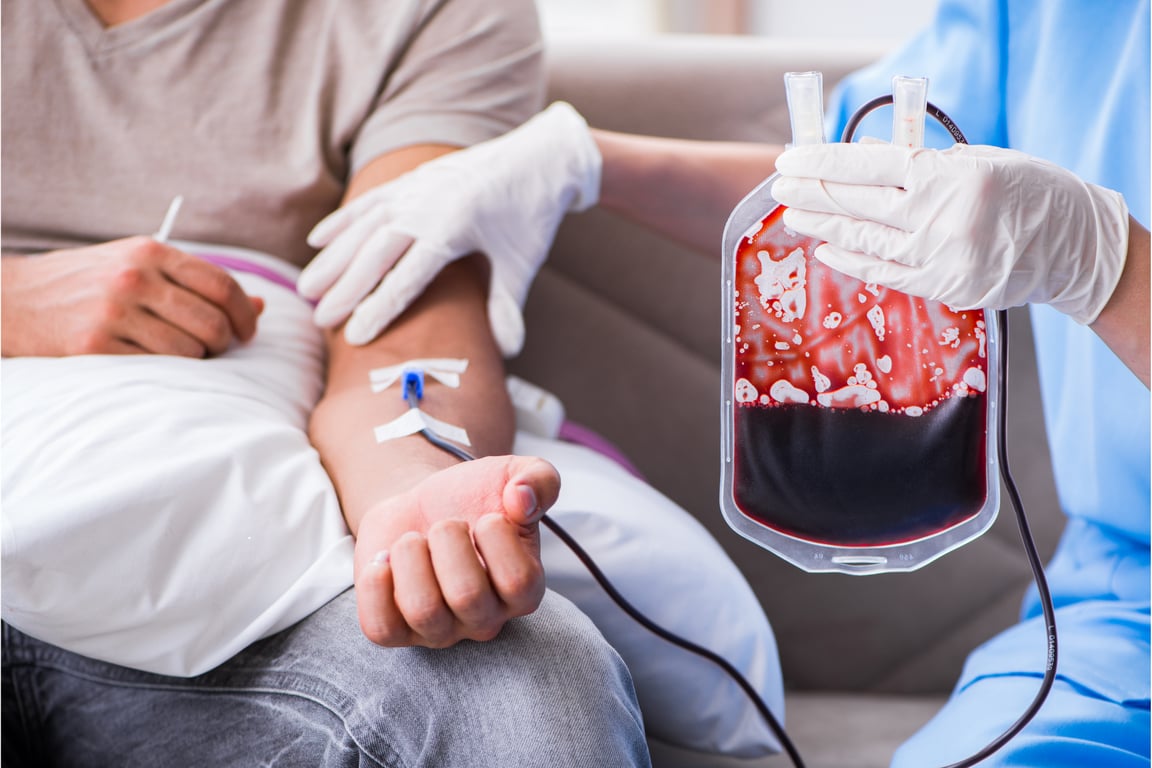
Cost Breakdown of Leukemia Treatment
Understanding the healthcare costs helps when setting a fundraiser goal. Here’s what leukemia patients and their families typically face:
Treatment | Estimated Cost (USD) |
Diagnostic Testing and Evaluation | $8,000 – $21,000 |
Chemotherapy (per year) | $10,000 – $50,000+ |
Targeted therapy drugs | $5,000 – $20,000/month |
Bone marrow transplant | $150,000 – $300,000+ |
CAR-T therapy | $370,000 – $475,000+ |
Hospital Stays | $20,000 – $150,000. |
Travel and Accommodation | $2,000 – $6,000 monthly |
Post-Treatment Medications and Follow-Up Care | $2,000 – $5,000 monthly |
In Total
When you add up all the phases, leukemia treatment often costs between $150,000 and $400,000 in total. Some patients, especially those who need bone marrow transplants or advanced immunotherapy, may face costs of over $500,000. This is why so many families turn to fundraising. The cost of leukemia treatment is not just high; it can be overwhelming without outside help.
Types of Leukemia Fundraisers
Not every family has the same resources or situation, which is why different fundraising approaches work for different circumstances. Here are the main types of leukemia fundraisers:
Individual Crowdfunding Campaigns
Online crowdfunding platforms let patients and families raise money directly from their own network and the wider public. These campaigns are a common form of medical crowdfunding, helping patients raise funds quickly for urgent treatment needs. Create a campaign page that explains your situation, the treatment you need, and how much money you need. Share your campaign online with people you know as well as online to get donations. Crowdfunding platforms like WhyDonate offer one of the best and simplest features for medical campaigns with low fees, making fundraising easier for patients and families.
Community Events and Fundraisers
Local fundraising is old school, but still has the personal touch that brings communities together and often money while building awareness. They can be simple events like walkathons or marathons where people get donations to walk or run a set distance, bake sale events to involve community members donating, or charity auctions to encourage competitive bidding and raise funds for a cause.
Partnership Fundraisers with Local Organizations
Schools, workplaces, faith communities, and businesses often want to support local families facing medical crises. For Example, Schools organize themed awareness events that can support a student or family member undergoing treatment. Similarly, workplaces can match employee donations or organize departmental fundraising challenges. Apart from all these, there are faith communities that organize special fundraising services or events.
Leukemia and Lymphoma Fundraisers Organized by Charities
Major nonprofits like The Leukemia & Lymphoma Society organize fundraising campaigns and events that support both individual patients and broader research. These organizations help provide necessary training and resources to raise money for leukemia patients. You can also get help from them to create a personal fundraiser page under their umbrella, tap into their donor base, and benefit from their reach.
How to Start a Successful Leukemia Fundraiser
Starting a fundraiser is not that difficult. Just follow these simple steps:
Choose the Right Platform for Your Fundraiser
Your platform choice can make or break your campaign. You need a platform that:
- Charges reasonable fees (look for free platform fee platforms)
- Offers strong security for payments and donor information
- Provides easy (in-built) sharing tools and a compact dashboard
- Offers good customer support if you have questions
- Allows flexible payouts once donations clear: weekly, monthly or on request
For leukemia-specific crowdfunding, WhyDonate offers all of the above features, with payouts you can set to Payout Weekly or Payout Monthly, or request with Payout Now. Stripe clears donations in up to 3 business days, plus 0 to 2 business days for the money to reach your bank account. It is designed specifically for medical and personal causes, charges a 0% platform fee (standard payment processor fees apply), provides robust sharing capabilities, and includes helpful resources for fundraisers. Plus, WhyDonate’s interface is ultra-user-friendly; you don’t need to be tech-savvy to use it effectively.
Create your campaign in minutes and begin raising funds for leukemia treatment costs today.
Tell Your Story
- Your campaign story is everything. This is where donors decide whether to support you. A great story includes:
- Show your true emotions: Instead of directly asking for money, start by introducing yourself or your loved one, followed by why this campaign is important.
- Be specific about the medical situation: What type of leukemia? What stage? What’s the treatment plan? Donors should understand what they’re supporting.
- Explain the personal impact: How has this diagnosis affected daily life? What had to be put on hold? What are your hopes for the future? Help donors see the human being behind the diagnosis.
- Break down the financial need clearly: Specify what the funds will cover: “We need $50,000 for chemotherapy and hospital stays, $20,000 for travel to the treatment center, and $15,000 for medications after discharge.”
- Include photos and videos: Visual connections can do wonders. Either a short video (where the patient or family member shares their story or pictures of the patient can be incredibly powerful.
- Be honest about emotions: It’s okay to be vulnerable. Donors respond to authenticity. Share your fears, your hopes, and what support means to you.
- Always end with gratitude with updates: Thank donors as soon as they contribute and write regular updates to let people know how funds are being used and how the patient is progressing.
Promote Your Fundraiser
Creating a great campaign means nothing if no one sees it. Promotion is essential and takes ongoing effort.
- Start with your family and friends: Email or message family and close friends explaining the situation and sharing your campaign link. Ask them to share with their networks.
- Use social media strategically: Share your campaign link on all social channels, post updates regularly, use relevant hashtags, and share campaign updates and milestones as you raise funds.
- Reach out to local media: Contact local newspapers, radio stations, and TV news. Many have “community focus” segments that cover local fundraising stories. A local news feature can dramatically boost donations.
- Leverage community organizations: Tell your school, workplace, church, and community groups about your campaign. Ask if they can share it with their members.
- Create a simple one-page summary: Write a one-page overview of your situation and fundraiser that people can print and share. Include your campaign link, QR code (which many crowdfunding platforms generate), and key information.
- Consider creating a Facebook fundraiser: In addition to your main crowdfunding platform, create a companion fundraiser through Facebook. Many people donate through Facebook, and it extends your reach.
- Engage local businesses: Ask businesses if they’ll display your campaign information, share it with employees, or donate a percentage of sales on specific days.
- Share regular updates: Every two weeks, post an update on your campaign page. Share news about medical progress, thank donors by name (if they’re comfortable), and celebrate milestones. Updates remind people about your campaign and often trigger new donations.
Keep Donors Engaged Throughout Your Journey
The relationship with donors doesn’t end at donation; it’s the beginning. Engaged donors often make additional donations and help spread your campaign further.
- Send thank-you messages promptly.
- Provide regular updates.
- Share both victories and setbacks honestly.
- Be transparent about fund usage.
- Express ongoing gratitude.
- Celebrate milestones together.
- Remember supporters after recovery.
Read more on How to Increase Donor Loyalty here.

Nonprofit Leukemia Support and Grants
Beyond fundraising through personal campaigns, families should explore nonprofit grants and assistance programs. These programs exist specifically to fill financial gaps.
The Leukemia & Lymphoma Society
The Leukemia & Lymphoma Society (LLS) is the largest nonprofit dedicated to blood cancer. They offer:
- Co-Pay Assistance Program: Helps eligible patients with insurance premiums, copays, and coinsurance. When available, provides up to $10,000 per year for AML patients (programs vary by blood cancer type and may have changing eligibility).
- Patient Financial Aid: Limited financial assistance for patients with demonstrated financial need covering treatment-related expenses.
- Support Services: Counseling, support groups, and disease information.
Lymphoma Research Foundation
The LRF specifically serves lymphoma and chronic lymphocytic leukemia (CLL) patients:
- Patient Aid Grants: These financial assistance grants cover medical bills, transportation, accommodation during treatment, and childcare.
- Eligibility: Must be diagnosed with lymphoma or CLL, undergoing treatment, and demonstrate financial need.
Contact: [email protected]
Patient Advocate Foundation
The PAF offers several programs:
- Co-Pay Relief Program: Direct assistance for out-of-pocket costs.
- Financial Aid Funds: Grants covering transportation, lodging, food, utilities, and caregiver support.
HealthWell Foundation
HealthWell provides:
- Co-pay assistance
- Medication assistance
- Reimbursement assistance for eligible patients
How to Apply for Grants
Most nonprofit grants have certain requirements:
- Proof of diagnosis (prescriptions)
- Evidence of financial need (doctor’s notes of treatment plans, tax returns, income statements)
- List of specific expenses needing assistance
- Treatment information and timeline
Contacting the organization’s helpline with questions can be a start. Nonprofits usually have dedicated staff who help patients with the application process.
Moving Forward with Hope and Resources
Facing leukemia is one of life’s most difficult challenges. The financial burden adds another layer of stress that shouldn’t exist. But here’s the truth: resources are available. Support exists. Thousands of families have navigated this path and found their way to treatment.
Your journey might include personal crowdfunding through platforms like WhyDonate, community events organized by people who love you, grants from nonprofits dedicated to leukemia support, and assistance programs that exist precisely for moments like this.
Browse more about cancer fundraising for help.
Here’s what matters most: You don’t have to figure this out alone. Tell your story. Ask for help. Accept support. And then focus on what really matters, getting better.
Leukemia is a battle, but it’s not a battle you have to fight without resources, without community, and without hope.
Start your leukemia fundraiser and share with people who can help spread the word about your campaign.
FAQs
1. What activities should a leukemia patient do to raise funds?
Leukemia patients don’t have to strain themselves to get funds for their treatment. They can start online fundraising campaigns through trusted websites and get funds for their treatment without anything in return.
2. Can businesses sponsor a leukemia fundraiser?
Yes. Businesses can definitely act as sponsors to leukemia campaigns and help people get their treatment effectively.
3. Do I have to provide treatment plans to start a leukemia fundraising campaign?
Although it is not mandatory to provide anything to start an online fundraiser, providing clarity about the funding needs can build credibility. You can share doctor’s notes, treatment plans, and even your hospitalization photographs to connect with donors.
FAQs
1. What activities should a leukemia patient do to raise funds?
Leukemia patients don’t have to strain themselves to get funds for their treatment. They can start online fundraising campaigns through trusted websites and get funds for their treatment without anything in return.
2. Can businesses sponsor a leukemia fundraiser?
Yes. Businesses can definitely act as sponsors to leukemia campaigns and help people get their treatment effectively.
3. Do I have to provide treatment plans to start a leukemia fundraising campaign?
Although it is not mandatory to provide anything to start an online fundraiser, providing clarity about the funding needs can build credibility. You can share doctor’s notes, treatment plans, and even your hospitalization photographs to connect with donors.
FAQs
1. What activities should a leukemia patient do to raise funds?
Leukemia patients don’t have to strain themselves to get funds for their treatment. They can start online fundraising campaigns through trusted websites and get funds for their treatment without anything in return.
2. Can businesses sponsor a leukemia fundraiser?
Yes. Businesses can definitely act as sponsors to leukemia campaigns and help people get their treatment effectively.
3. Do I have to provide treatment plans to start a leukemia fundraising campaign?
Although it is not mandatory to provide anything to start an online fundraiser, providing clarity about the funding needs can build credibility. You can share doctor’s notes, treatment plans, and even your hospitalization photographs to connect with donors.
FAQs
1. What activities should a leukemia patient do to raise funds?
Leukemia patients don’t have to strain themselves to get funds for their treatment. They can start online fundraising campaigns through trusted websites and get funds for their treatment without anything in return.
2. Can businesses sponsor a leukemia fundraiser?
Yes. Businesses can definitely act as sponsors to leukemia campaigns and help people get their treatment effectively.
3. Do I have to provide treatment plans to start a leukemia fundraising campaign?
Although it is not mandatory to provide anything to start an online fundraiser, providing clarity about the funding needs can build credibility. You can share doctor’s notes, treatment plans, and even your hospitalization photographs to connect with donors.

Sudatta is a senior content manager with more than 10 years of experience in the content space and an expert in crowdfunding and fundraising-related topics. She enjoys creating engaging and reader-friendly content. In addition to writing, Sudatta is also passionate about music, travelling, and reading.