listOn this page
Most nonprofits don't have the budget for face-to-face meetings with every donor, and most donors don't have the time for them either. Email fills that gap. It reaches people where they already are, costs next to nothing to send, and, done well, turns a one-time gift into years of ongoing support. Done poorly, it turns into another unopened newsletter sitting in an inbox.
The gap between those two outcomes usually isn't budget or fancy software. It's whether the email actually feels like it was written for the person reading it. A donor who's given five times in a row can tell within a sentence whether they're getting a real update or a mass blast, and that first impression decides whether the next email even gets opened. This guide covers what actually makes email marketing for nonprofits work: who to send to, what to send, and how to write messages that get opened and acted on.
Ready to turn today's momentum into lasting support? Start your fundraiser on WhyDonate and keep the giving going.
Why Email Marketing Still Works for Nonprofits
Email doesn't have the reach of social media or the personal weight of a phone call, but it sits in a useful middle ground. It's cheap enough to send often, personal enough to feel direct, and it puts a donation link one click away from whoever opens it.
The bigger issue for most nonprofits isn't whether to use email, it's that a lot of nonprofit email still gets sent as one generic message to an entire list. Supporters can tell the difference between a message written for them and one written for everyone at once, and it shows up in whether they open the next one. A donor who's given five times in a row and one who's never given at all shouldn't be getting the same email, and segmenting your list is really where good nonprofit email marketing starts
Build a List Worth Emailing
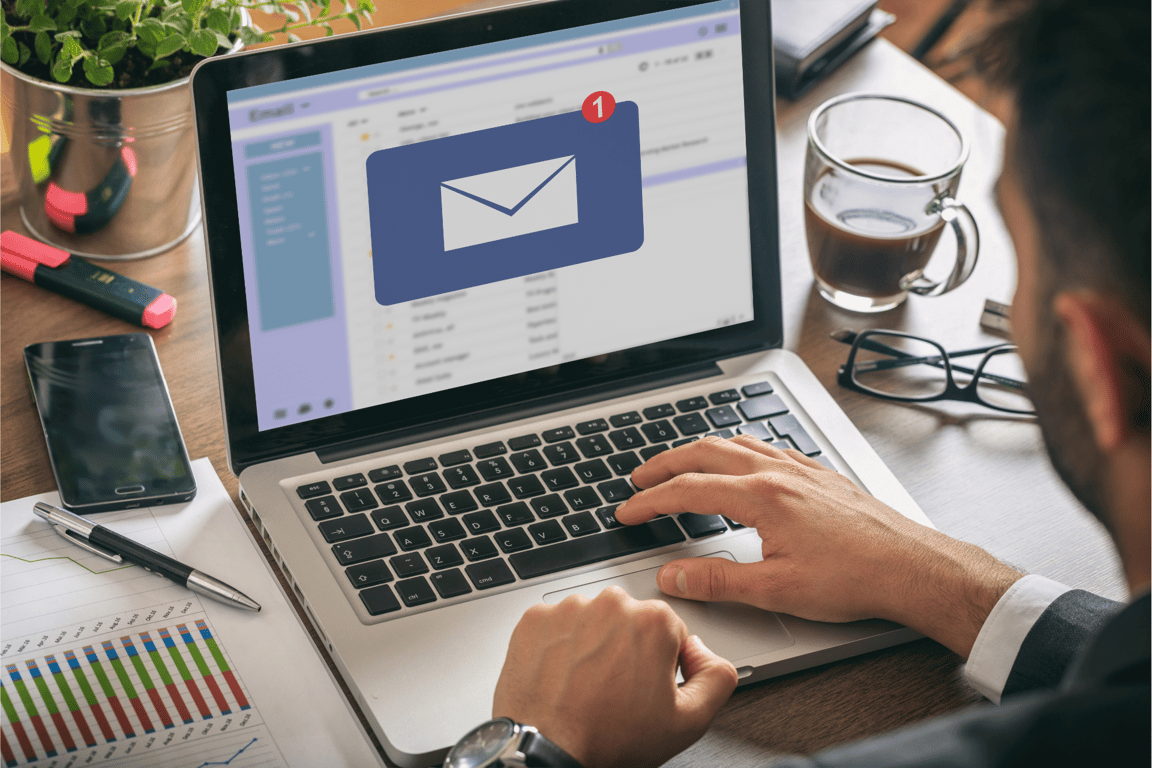
Before segmentation or subject lines matter, you need people to actually put on the list. A signup form on your website, a checkbox during the donation process, and an option to opt in at events are the three most common entry points, and all three are worth having active at once.
Keep the signup form itself short. Asking for a name and email address gets far more people through the door than a long form asking about interests, giving history, and preferred causes upfront. You can learn those things later, through a welcome email, a preference survey, or simply by watching what people click on. A shorter form now, followed by smarter segmentation later, beats a long form that scares people off before they ever subscribe.
Segment Your List So Every Email Feels Relevant
Sending the same message to your entire list is the single biggest reason nonprofit emails underperform. A few segments cover most of what you need:
- First-time donors should get a warm welcome sequence introducing your mission, not an ask for a second gift right away.
- Recurring donors deserve acknowledgment of their ongoing support and updates that show their monthly gift is adding up to something real.
- Lapsed donors, people who gave once or twice but haven't in a while, respond better to a specific, low-pressure re-engagement message than a generic year-end appeal.
- Major donors usually want less volume and more personal, direct communication rather than the standard newsletter cadence. And event attendees or volunteers often care more about updates tied to what they showed up for than about a general fundraising ask.
None of this requires expensive software to start. Even a simple tag system in a basic email tool lets you separate a first-time donor from someone who's given for three years, and that alone changes what you should be sending each group.
What Types of Emails Should Nonprofits Send?
A healthy nonprofit email strategy usually includes more than one type of message, since different emails serve different purposes.
Newsletters
Newsletters keep supporters updated on what your organization is doing, without necessarily asking for anything. They're where storytelling and program updates live, and they're often the email people actually look forward to opening.
Donation Appeals
Donation appeals are direct asks tied to a specific need, a matching gift deadline, a shortfall in program funding, or an upcoming campaign. These work best when the ask is specific rather than vague, "help us reach $5,000 for winter shelter beds" performs better than "please consider a gift."
Impact Updates
Updates close the loop after someone gives. A short note showing what a previous donation helped accomplish does more for retention than almost anything else you can send, since it proves the gift actually mattered.
Event Invitations & Advocacy Alerts
This round things out, giving supporters ways to engage that don't always involve money, which keeps the relationship from feeling transactional every single time you show up in their inbox.
Writing Emails People Actually Open and Act On
The subject line decides whether anything else in the email gets read at all. Specific, human subject lines tend to beat generic ones. "You helped feed 200 families last month" will usually outperform "March Newsletter," because it tells the reader something concrete before they've even opened the email.
Personalization goes further than a first name in the greeting. Referencing someone's giving history, the last campaign they supported, or how long they've been a donor shows that the email was actually built around them, not just merged with a name field. Most email platforms support this kind of personalization through custom fields tied to your donor database.
Keep the body focused on one clear action. An email that asks someone to donate, share on social media, and register for an event all at once usually gets none of the three done well. Pick the single most important thing you want the reader to do, and make the call to action impossible to miss: a clear button, plainly worded, placed where it's easy to find without scrolling. Mobile matters more than people expect. More than half of emails get opened on a phone, so a design that looks fine on a laptop but breaks on a small screen is quietly costing you clicks. Test every campaign on a phone before it goes out.
Start your fundraiser now and start turning support into real results.
Choosing an Email Marketing Tool
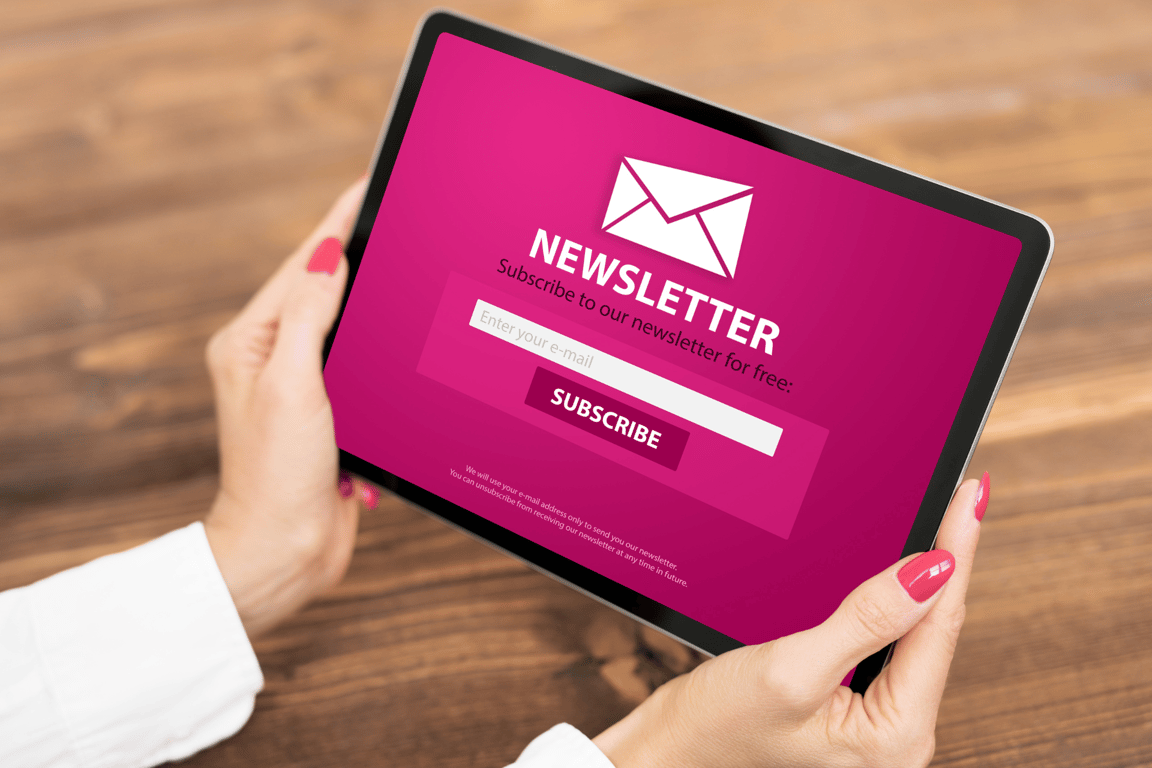
You don't need enterprise software to run good nonprofit email campaigns, but the platform you pick should support the basics: donor segmentation, templates that don't require a designer, automated sequences for things like welcome emails, and some way to see what's working.
Mailchimp remains a common starting point for smaller nonprofits, since it offers a nonprofit discount and a usable free tier for small lists. Larger organizations with more complex donor journeys sometimes move to a platform like ActiveCampaign, which handles more advanced automation and connects more easily with a CRM. Whatever you choose, make sure it can sync with wherever your donation and campaign data already lives, since a tool that can't see who gave, when, and how much ends up limiting the segmentation you can actually do.
Metrics That Actually Tell You Something
Open rate tells you whether your subject lines are working. Click-through rate tells you whether the content and the call to action inside the email are compelling once someone's opened it. Conversion rate, the share of recipients who actually donate, register, or take the action you asked for, is the number that matters most, even though it's the one nonprofits track least consistently.
Watch these numbers by segment, not just as one blended average across your whole list. A newsletter with a low open rate overall might still be performing well among recurring donors and poorly among lapsed ones, and that distinction tells you where to focus your next round of testing.
Common Mistakes Worth Avoiding
Sending too rarely is just as much a problem as sending too often. A list that only hears from you twice a year, at a big campaign and at year-end, feels like a stranger asking for money when the ask finally arrives. A consistent, lighter cadence keeps the relationship warm between asks. Treating every email as a donation request is another common misstep. If every message in someone's inbox from your organization is an ask, they'll eventually stop opening them. Mixing in impact updates and pure-value content keeps the relationship from feeling purely transactional.
And skipping segmentation entirely, sending one message to everyone regardless of history, remains the most common reason nonprofit email underperforms industry benchmarks. It's also the easiest one to fix, since even basic tagging in a free email tool gets you most of the benefit.

Connect Email Marketing to Your Fundraising Page
Email works best when it links directly to a donation page built to convert, not just a homepage the reader then has to navigate on their own. A WhyDonate campaign page gives you a direct link to drop into every appeal, with 0% platform fees, so more of what your email drives actually reaches your cause. Pairing a well-segmented email list with a clear, specific campaign page tends to outperform either one running alone.
Make Every Email Count
Good nonprofit email marketing comes down to a few things done consistently: build a list the right way, split it into segments that actually matter, and write messages that ask for one clear thing at a time. Do that, and email stops being background noise and starts being one of the most reliable ways to keep donors engaged between asks.
Ready to give your next email campaign somewhere to send people? Start your fundraiser on WhyDonate and pair every appeal with a page built to convert, with 0% platform fees on every donation.
FAQ: Email Marketing for Nonprofits
How Often Should Nonprofits Send Emails?
Somewhere between one and four times a month works for most organizations, mixing newsletters, impact updates, and occasional appeals rather than sending only when you need money. Consistency matters more than frequency.
What is Donor Segmentation and Why Does It Matter?
Donor segmentation means splitting your email list into groups, first-time donors, recurring donors, lapsed donors, major donors, based on their giving history and behavior. It matters because a message built for one group usually falls flat with another, and segmented campaigns consistently outperform one-size-fits-all sends.
What Should Be in a Nonprofit Newsletter?
A mix of program updates, a donor or beneficiary story, and a light call to action works well. Newsletters don't need to ask for money every time, since their main job is keeping the relationship warm between appeals.
Which Email Marketing Tool is Best for a Small Nonprofit?
Mailchimp is a common starting point, thanks to its nonprofit discount and usable free tier. As your list and automation needs grow, platforms like ActiveCampaign offer more advanced segmentation and CRM integration.
How Do I Get More People to Open My Nonprofit Emails?
Write specific, human subject lines instead of generic ones, and keep your list segmented so each message actually matches the reader's relationship with your organization. Both changes tend to move open rates more than any single design tweak.

Sudatta is a senior content manager with more than 10 years of experience in the content space and an expert in crowdfunding and fundraising-related topics. She enjoys creating engaging and reader-friendly content. In addition to writing, Sudatta is also passionate about music, travelling, and reading.