One in five adults experiences a mental health condition every year, yet most of them never get the help they need, simply because they can’t afford it. It affects relationships, work, sleep, and the ability to simply get through the day. It’s not always visible, though, which makes it easier to ignore and harder to talk about.
Recently, conversations around mental health have grown significantly, with millions more people speaking openly about therapy, anxiety, depression, and burnout. More people are speaking out, sharing their experiences, and reaching out for help than ever before. But the cost of therapy, counseling, and long-term care keeps going up, making it harder for many people and families to get the help they need. This is where mental health fundraising comes in. It gives people a way to support themselves or others while raising awareness and building community around a cause that still needs more attention.
Launch your fundraiser in minutes and begin collecting donations instantly.
Table of Contents
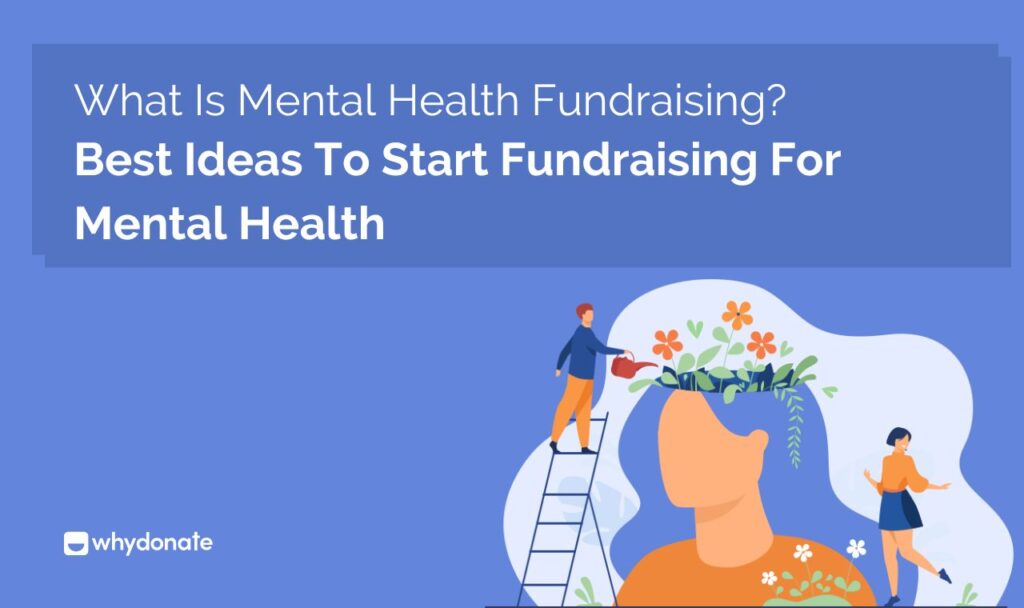
What Is Mental Health Fundraising?
Mental health fundraising is the act of getting money to help with treatment, raising awareness, or recovering from mental health problems. It can be for personal needs, like therapy or medical help, or for bigger causes, like nonprofits that help with mental health care. What makes it different from other types of fundraising is the emotional layer. People aren’t just giving money; they’re also helping someone on their way to stability and health.
Sharing stories is often a big part of this. When people talk about their problems, it helps others connect, relate, and support them in a meaningful way. That connection is what makes most mental health fundraisers successful.

6 Ideas for Fundraising for Mental Health
1. Talk and Share Stories
Talking about your problems with others can help them understand what you’re going through and give them a chance to help you. You can start by writing your story and posting it on a fundraiser page. It doesn’t have to be perfect; it just has to be real. People connect more with real experiences than with polished messages.
2. Community-Based Fundraising
Communities are often the first line of support. When people know what’s going on, they’re usually happy to help. This is true for friends, neighbors, and local groups. Small community-driven efforts like meetups, awareness walks, or local events can make money and help people feel like they belong. These efforts may seem small at first, but they often grow over time.
3. Partnering with Trusted Professionals
When you work with the right people, your efforts are more credible and valuable. To host sessions, webinars, or awareness programs, work with licensed therapists, counselors, clinics, or trusted nonprofit partners. This makes sure that the information shared is correct and responsible, and it also helps participants feel safe and supported.
4. Care Packages with Purpose
Care packages are a simple but meaningful way to show support. They can include things that help people take care of themselves, relax, or express themselves creatively. You can raise money by asking people to give money or items. These packages can then be given to people who need emotional support or encouragement. The value is not just in the items but also in the gesture itself.
5. Awareness Merchandise
Custom items like t-shirts, wristbands, or small accessories can help raise money and awareness at the same time. People can wear or use these items, which makes them conversation starters. This means that the message can reach more people than just the people who are at the fundraiser. Designs don’t have to be complicated; simple, thoughtful messages often work better.
6. Social Media Support Groups
Social media can be a great tool if you use it wisely. It can be very helpful to create a safe and controlled space where people can share their stories, help each other, and work toward a common goal. These groups often become communities on their own. They let people connect with others who understand what they’re going through, which can be just as helpful as money.
How to Approach Mental Health Fundraising Responsibly
Fundraising for mental health requires sensitivity. It is not just about raising money. It is about how the message is shared and how people are engaged.
You do not need special training to support a good cause, but you do need care and respect in how you share it. It’s important to be honest without giving too much information, to encourage support without putting pressure on people, and to keep your dignity throughout the process. People respond better to messages that are real than to messages that are too big. It is also important to set clear boundaries. You don’t have to share every detail with everyone, and you should always put your own emotional space first. When you’re raising money, you should never feel like you have to explain or justify your experience beyond what you’re comfortable sharing.
People are more likely to give money if they know exactly how it will be used, whether it’s for therapy sessions, medical support, or awareness campaigns. Transparency builds trust, and trust drives support. Consistency is also significant. Giving small updates, progress reports, or even just your thoughts on the situation helps supporters feel like they are part of the process. It turns a one-time donation into an ongoing connection.
At the same time, language plays a big role. Avoid terms that create fear, guilt, or urgency without context. A calm, respectful tone encourages people to support because they want to, not because they feel pressured.

What Makes a Mental Health Fundraiser Effective
A successful fundraiser is not always the one that raises the most money. It is the one that builds trust, creates connection, and leaves a lasting impact. Clarity plays a big role. People are more likely to give money when they know why it’s needed and how it will be used. Consistency is also important. People stay interested and involved in the journey when they get regular updates, even small ones.
Key things that improve results:
- Clear explanation of the need and use of funds
- Honest and simple storytelling
- Regular updates to supporters
- Respectful and sensitive communication

Conclusion
Mental health fundraising is more than a financial effort. It is a way to create support, awareness, and connection. Even small initiatives can make a meaningful difference. Whether you are raising funds for yourself, someone close to you, or a larger cause, what matters is how you approach it. There is no perfect way to start. What matters is taking the first step.
Raise money for a personal cause or a good cause. Start with 0% platform fees and build support with WhyDonate.

FAQs
1. What is mental health fundraising?
Mental health fundraising is the process of raising financial support from individuals or communities to help cover therapy, psychiatric care, medication, or mental health awareness programs.
2. How can I start a mental health fundraiser?
You can begin by sharing your story, setting a clear goal, and using a platform to collect donations while keeping communication honest and consistent.
3. Is it safe to share mental health stories online?
Yes, as long as you share what you are comfortable with and maintain boundaries. It is important to protect your privacy while being open.
4. What are simple mental health fundraising ideas?
Popular ideas include community awareness events, care package drives, merchandise campaigns, peer-to-peer social media fundraisers, and partnering with mental health professionals for webinars.